

In high-temperature industrial manufacturing, the dependability of heating parts shapes the productivity of the whole production line. Facility managers and engineers often deal with the same ongoing problems: early wear of heating elements, sudden resistance jumps that overload transformers, and the physical weakness of parts causing regular stoppages. These issues do more than raise upkeep expenses. They also threaten the steady quality of products in exact fields such as semiconductor wafer handling and advanced ceramic firing.
At Songshan, we recognize that a silicon carbide heating element serves as more than a replaceable item. It acts as a vital investment in your heat-based process. As a top SiC heater supplier started in 1980, Songshan has spent over forty years perfecting the recrystallization of pure green silicon carbide at temperatures above 2200°C. Our goal remains to deliver silicon carbide rods that tackle the sector's toughest longevity challenges. We achieve this through better material thickness and improved cold-end methods.
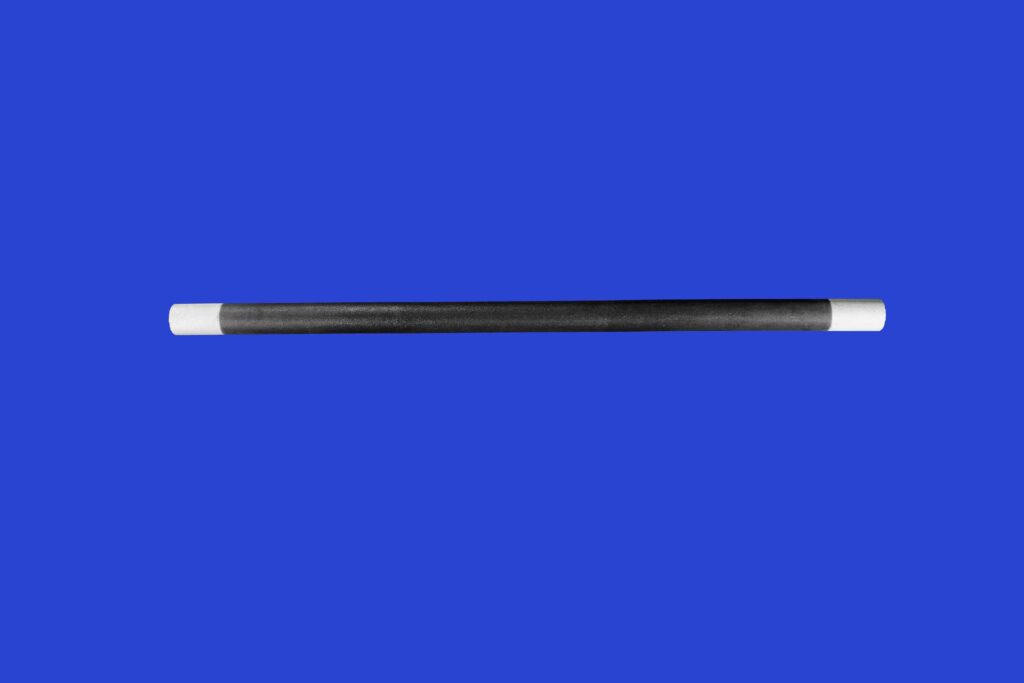
Silicon carbide rods prove essential in settings where metal heating elements break down. Their capacity to function at oven temperatures up to 1450°C, with certain versions hitting 1600°C, positions them as the top option for various tough and accurate industries.
The firing of top-quality ceramics demands complete evenness in heat. In such cases, the Songshan Silca ED (Rod) type sees common use. Since these silicon carbide rods come from pure hexagonal SiC, they provide strong resistance to oxidation and high efficiency in turning electricity to heat.
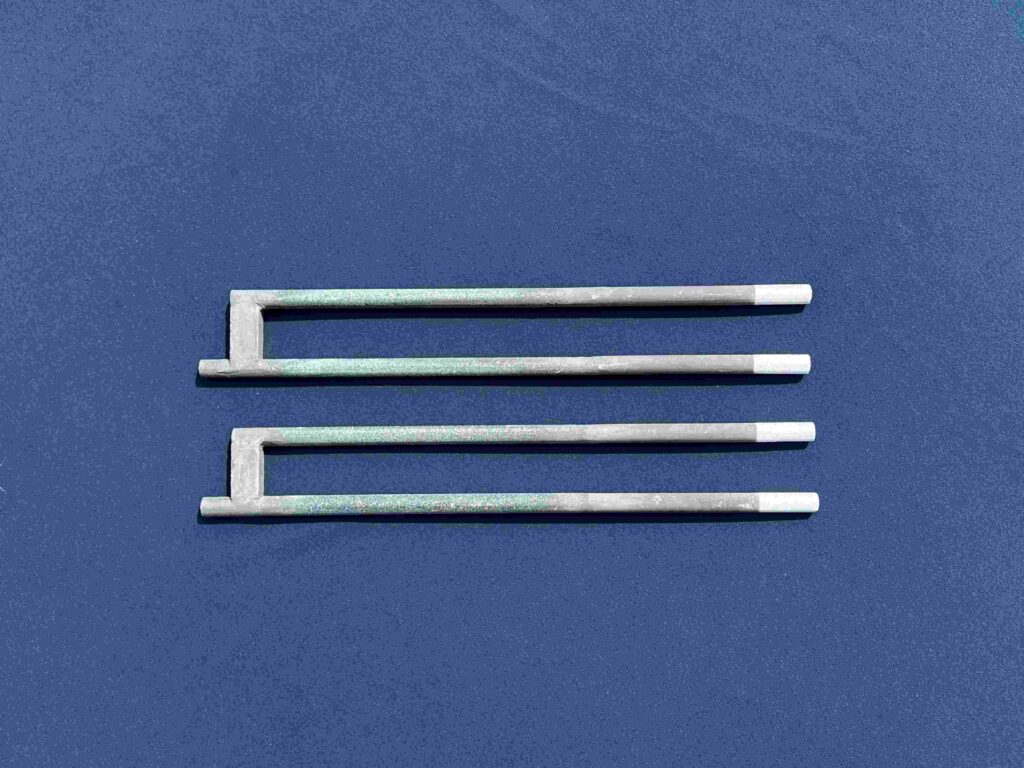
In powder metallurgy, the air inside is often harsh. Our clients often pick the Songshan Silca U type because of its easy setup and skill in keeping steady heat output in controlled-air ovens.
The electronics field depends on silicon carbide rods to make magnets and semiconductor substances. The semiconductor area, especially, requires great purity to prevent dirt. As a focused SiC heater supplier, Songshan makes sure our items meet the strict needs for low dirt levels. This helps brand holders keep the quality of their valuable materials intact.
For fields dealing with aluminum alloy melting, the link between surface load and oven heat matters a lot. For instance, in an oven running at 800°C, the silicon carbide heating element might need to hit a surface heat over 1200°C. This calls for a surface load density of about 17 W/cm². Songshan’s thick models are built to manage these heavy loads. They offer a working life 1.5 to 2 times longer than standard rods.
Selecting the proper SiC heater supplier means seeing past the basic material. The real edge comes from the making process and the solid build of the rod.
The biggest hurdle with silicon carbide rods is "aging." This refers to the slow rise in electrical resistance due to a silica layer forming on the inner grains. When resistance multiplies by four, the element’s life ends. Songshan counters this by boosting the core density and cutting down gaps during our 2200°C recrystallization step. We slow the deep entry of oxygen this way. As a result, we greatly lower the speed of resistance rise. This keeps your gear running within its power limits for more time.
A usual weak spot in work ovens is the excess heat at the link ends. This can harm the oven wall and cause a loss of energy. Songshan applies a unique manufacturing method for the cold ends of our silicon carbide heating element items. This creates a better balance between heat-zone resistance and cold-end resistance. It directs heat effectively into the oven space while maintaining cool terminals.
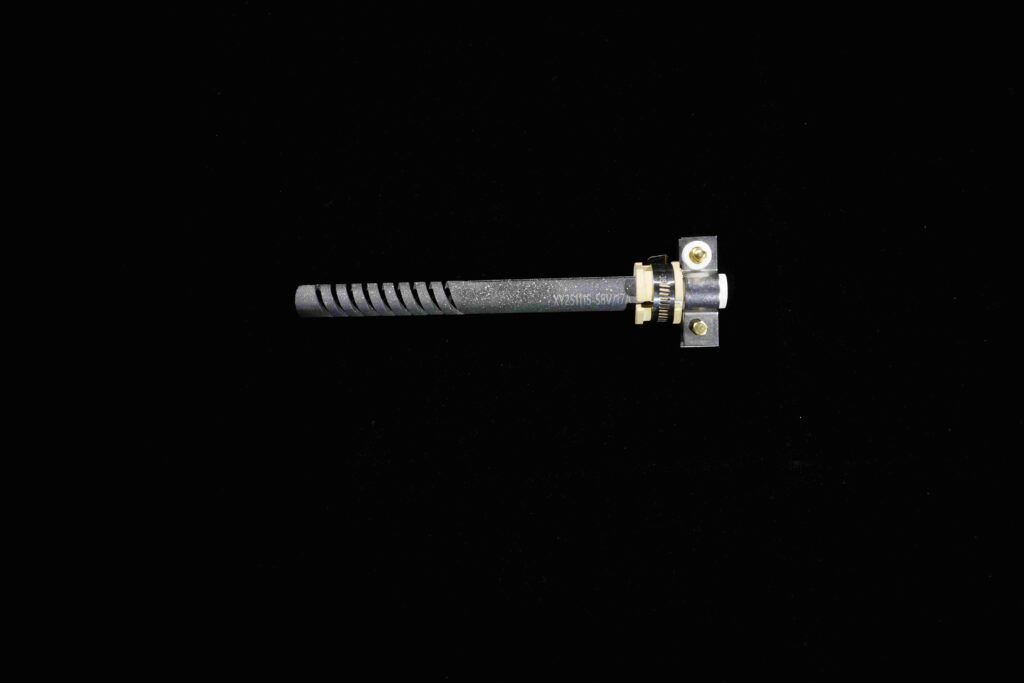
We supply a wide variety of shapes to address particular space and power issues:
1.Songshan Silca ED (Straight Rod): The common standard for flexible side-to-side or up-down placement.
2.Songshan Silca SCR (Double Spiral): Perfect for cases needing high resistance in a small area or where wiring happens on one side only.
3.Songshan Silca W (Three Phase): Built for three-phase power sources to guarantee even loads and easier wiring in big work kilns.
A well-known maker of heat-resistant materials faced constant swaps of their silicon carbide rods in a nonstop tunnel kiln. They dealt with "hot spots" and early breaks.
The Solution: Songshan supplied a tailored group of thick silicon carbide rods with resistance variation under ±5% per group. We suggested a wiring shift: linking two rods in series as a unit, then several units in parallel to even the load.
The Result: After moving to Songshan and adjusting their surface load density to stay below 5 W/cm² at an oven heat of 1400°C, the client stretched their swap period by 40%. This cuts their yearly buying costs and unplanned stops a great deal.
As a main high-tech firm in China with the biggest local base for high-heat parts, Songshan commands a large market portion at home and in more than 40 nations, including the USA, Germany, and Japan. Our ISO9001-approved control system guarantees that each silicon carbide heating element from our plant follows global rules.
We offer more than just parts; we give complete tech help. This ranges from figuring total power needs for fresh oven plans to fixing resistance mismatches in current systems.
Prepared to improve the productivity and length of service for your high-heat gear? Team up with a SiC heater supplier that puts quality and tech progress first.
A: In an oxidizing atmosphere, our standard silicon carbide rods can reach 1400°C, while special high-density models can operate up to 1600°C.
A: This is "aging," caused by oxygen reacting with SiC grains to form a SiO2 film, which impedes current flow.
A: It is best to replace it with a rod of similar resistance. If the set is old, replacing the entire group is recommended to maintain temperature uniformity.
A: They should be kept in a dry, moisture-proof environment to prevent damage from humidity and avoid contact with acids or alkalis.
A: Parallel connection is generally superior to series. A common optimal setup is connecting two rods in series as a group, then connecting multiple groups in parallel.
© Henan Zhengzhou Songshan Enterprise Group Co., Ltd