

SiC heating elements are resistance heaters made from silicon carbide for electric furnaces that need high temperature, clean heat, and stable thermal output. The right design depends on furnace geometry, voltage, element diameter, hot-zone length, cold-end length, and resistance matching. Songshan offers several SiC options, including ED rod, U, W, SC, SCR, and UX types, so engineers can match the heater form to the chamber rather than forcing one standard rod into every furnace.
Industrial furnaces often fail to deliver uniform heat when the element shape does not match the chamber layout. A straight element may work well in a long heating zone, while a U-type or W-type element can make more sense where wiring access is limited to one side of the furnace.
Songshan’s SiC heating elements are useful for ceramics, powder metallurgy, glass metallurgy, machinery, magnetic materials, and other thermal processes where the heater must provide repeatable output without introducing unnecessary design complexity.
The essential advantage of a SiC heater is that it combines electrical resistance heating with the thermal stability of silicon carbide. For process teams, that means the element specification should be treated as part of the furnace design, not as a generic replacement part.
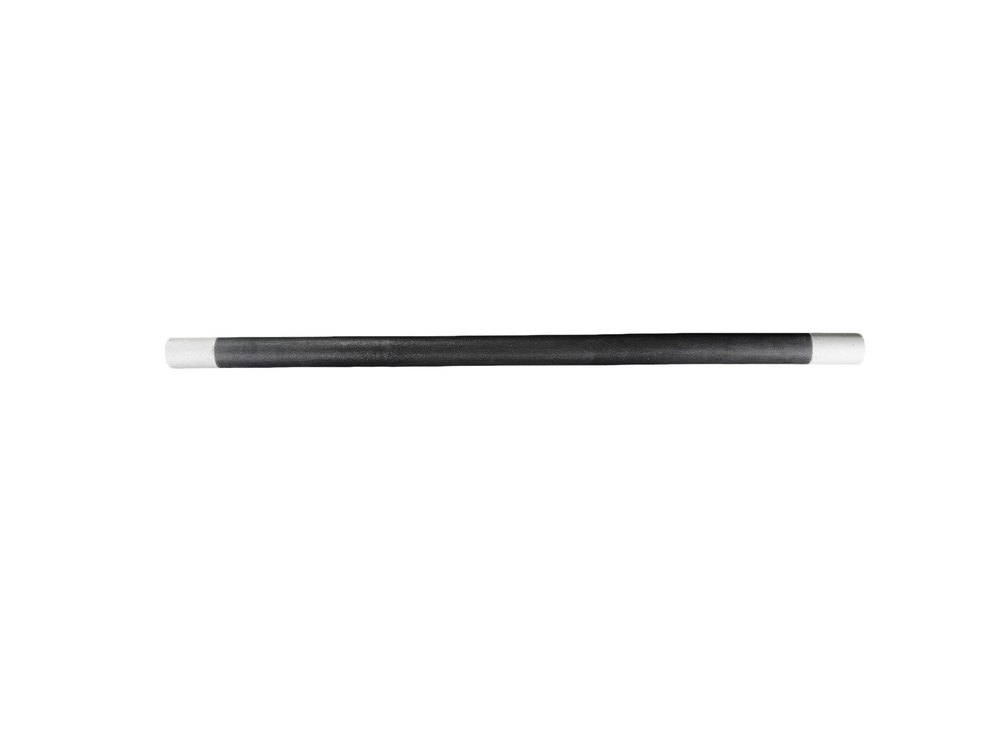
The ED rod type is the most direct form of silicon carbide heating rod. Songshan identifies this product as a straight SiC element made from silicon carbide, with voltage options from 110V to 480V, tube diameters from 8mm to 65mm, and a listed maximum working temperature of 1450°C.
A straight rod fits furnaces where elements pass horizontally or vertically through the insulation and create a defined hot zone inside the chamber. The key dimensions to check are OD, HZ, CZ, and OL, because these determine diameter, active heating length, cold-end length, and overall element length.
For furnaces that use long, narrow heating chambers, ED rod type SiC heating elements give engineers a simple way to align heat output with the work zone. They are also easier to compare when a maintenance team already has original element drawings or old resistance records.
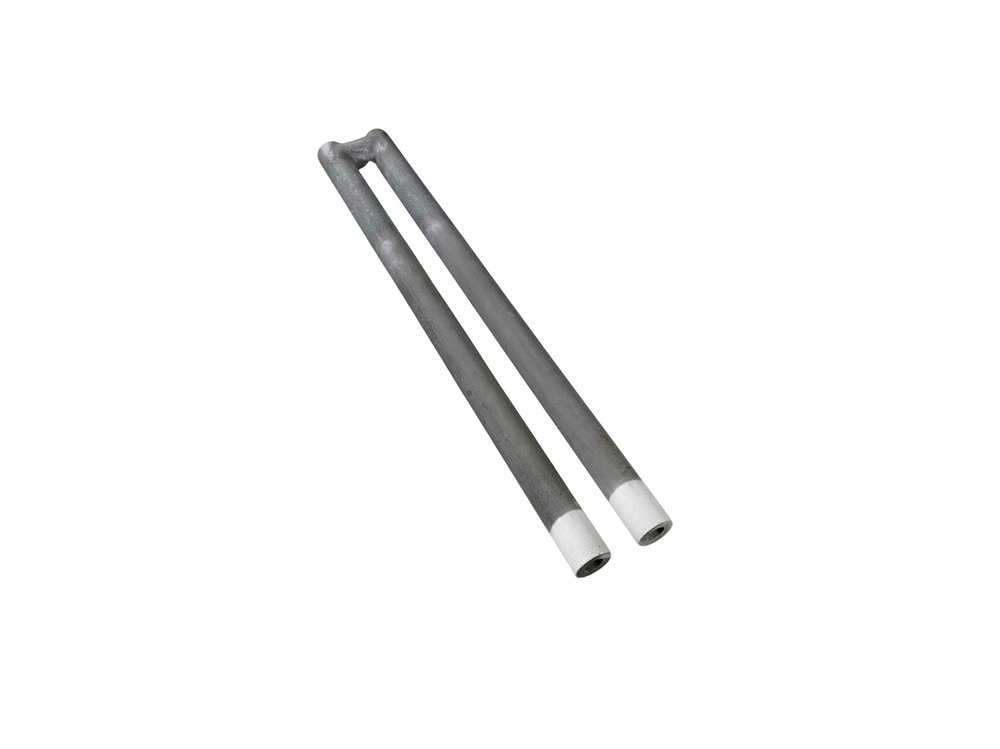
A U-type SiC heating element places both terminals on the same side of the furnace, which can simplify installation where rear access is limited.
W-type elements create a broader heating pattern with a connected multi-leg form. These designs can help compact furnaces distribute heat across a wider chamber section without requiring separate straight rods and additional terminal openings.
When engineers compare U type silicon carbide rods with W-type heaters, the decision should start with the furnace shell, insulation thickness, terminal space, and desired hot-zone coverage. Shape is not only a mechanical detail; it controls where the electrical energy becomes useful heat.
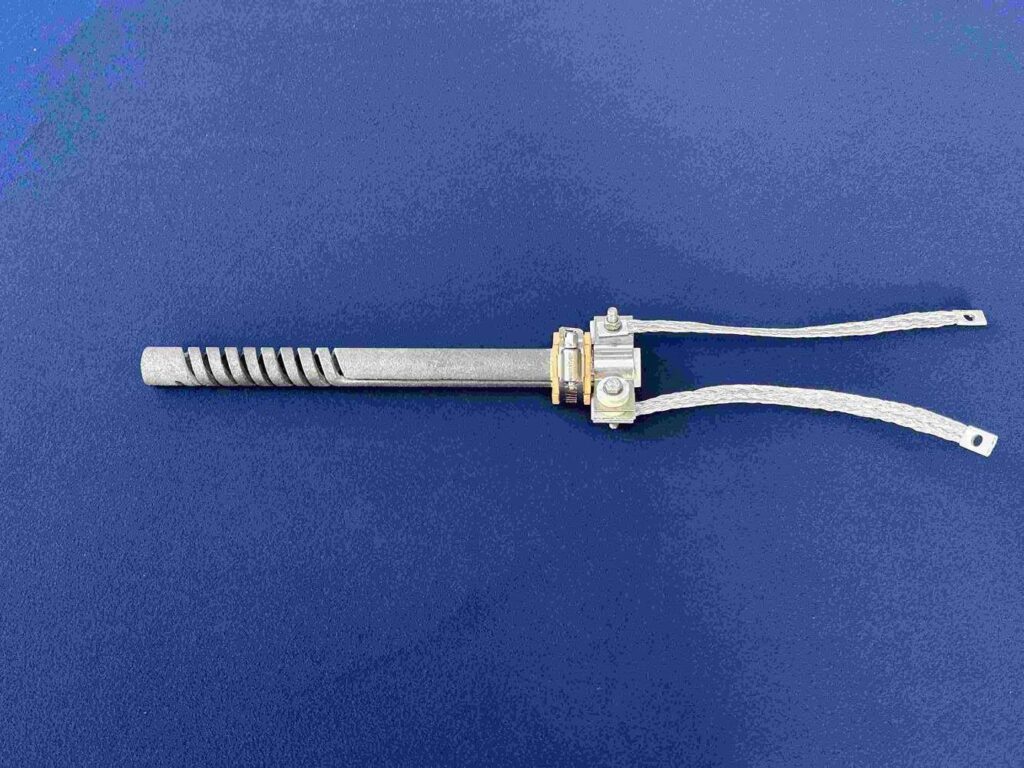
Single spiral and double spiral designs are useful when a furnace requires a compact heating path and a specific terminal arrangement.
Spiral forms can be especially relevant in smaller electric furnaces, tube furnaces, and heating devices where the element must occupy less linear space while still delivering a defined hot zone. The selection should always be tied to drawings, rated voltage, resistance, and available installation clearance.
The most useful parameters for a SiC heating element are voltage, resistance, outer diameter, hot-zone length, cold-end length, and overall length. Songshan ED rod type supports voltage options from 110V to 480V and tube diameter options of 8mm to 65mm, giving specifiers a practical starting point for electric furnace matching.
The hot zone must sit inside the furnace chamber, while the cold ends should extend through the insulation and terminal area. If the cold ends are too short, the furnace shell and electrical connections may run hotter than expected; if they are too long, installation may become mechanically awkward.
The maximum working temperature also matters. For Songshan's ED rod type, the ED maximum working temperature is 1450°C, so the element should be selected with the real chamber temperature, atmosphere, and surface loading conditions in mind.
Resistance matching is one of the simplest ways to protect furnace uniformity. Songshan's installation guidance states that resistance values in a group should be matched within a plus or minus 5% deviation before installation, because unmatched elements can draw uneven power and produce uneven chamber temperatures.
This point becomes more important when several SiC heating elements operate in one furnace zone. Replacing only one aged element without checking the group resistance may create a visible temperature imbalance even if the new heater is technically correct.
SiC heaters are widely used in high-temperature electric furnaces because they can support processes that need controlled radiant heat. Typical uses include ceramic firing, powder metallurgy sintering, glass-related heat treatment, magnetic material processing, and general machinery heat treatment.
In ceramic and magnetic material furnaces, stable heat distribution helps reduce variation between batches. In powder metallurgy and glass metallurgy, the same stability supports predictable thermal cycles, especially when the chamber load changes from one production run to another.
Songshan is most naturally considered when the furnace team already knows the element geometry it needs but wants a product family that covers several shapes. ED, U, W, SC, SCR, and UX designs allow the discussion to stay focused on furnace fit, not only on a single catalogue item.
A silicon carbide heating rod should not be pushed to full electrical load immediately after installation. Gradual voltage increase helps the element and furnace structure stabilize, especially after maintenance work, insulation repair, or long idle periods.
During service, SiC elements age as oxidation changes resistance. Operators normally compensate by increasing voltage gradually, but that adjustment should stay within the furnace power system's design limits and should be paired with regular resistance checks.
Good records make future selection easier. Keeping notes on original resistance, installation position, operating voltage, and replacement date helps engineers distinguish normal aging from a wiring, atmosphere, or furnace-loading problem.
SiC heating elements create their best value when the element form, electrical rating, and furnace geometry are chosen together. Songshan's range of ED rod, U, W, SC, SCR, and related SiC designs gives furnace engineers a practical option for matching heat output to real chamber conditions instead of relying on one universal heater shape.
Explore compatible silicon carbide heating element options when refining the next furnace maintenance or design plan.
A: A silicon carbide heating rod is usually a straight rod-style SiC element, while SiC heating element is a broader term that can include ED rods, U types, W types, and spiral forms. The right term depends on the product shape and the furnace layout being discussed.
A: Compact furnaces often benefit from U, W, SC, or SCR designs because these shapes can place terminals and hot zones more efficiently. The final choice should be based on chamber width, insulation thickness, wiring access, voltage, resistance, and the required hot-zone coverage.
A: Resistance matching helps each element in the same group draw similar power. When resistance differs too much, some elements can run hotter while others underperform, creating uneven temperature distribution and reducing process consistency inside the furnace chamber.
A: Sometimes, but only after checking dimensions, resistance, voltage, terminal spacing, and hot-zone position. A U type may simplify wiring, while an ED rod may fit an existing straight-through layout better. The furnace drawing should lead the selection.
© Henan Zhengzhou Songshan Enterprise Group Co., Ltd