

2026-10-29
SiC heating elements deliver more consistent furnace heat when their resistance, circuit position, and hot-zone layout are matched as a system. Wiring cannot correct a poorly placed element, but an unbalanced circuit can make an otherwise suitable set heat unevenly, age at different rates, or complicate voltage control. Reviewing element readings and the furnace diagram before connection gives operators a clearer basis for stable operation.
Silicon carbide heating rods are resistance heaters, so the supply circuit affects how electrical power is shared across the installed set. In a multi-zone furnace, one element with a different resistance from its neighbors can behave differently under the same circuit conditions. The result may appear as slow recovery in one area, a local hot spot, or a growing difference between zones.
The circuit also has to accommodate resistance change over service. SiC elements generally age through oxidation, and their electrical resistance can rise with use. A controller that has little adjustment range may eventually struggle to maintain the setpoint, even if the rods remain physically intact.
Before choosing series, parallel, or combined wiring, identify the supply voltage, number of elements, controller or transformer capacity, and the way the furnace is divided into zones. Draw the electrical path and mark each element position. A wiring choice that works on paper may not suit the actual hot-zone arrangement or the available terminal access.
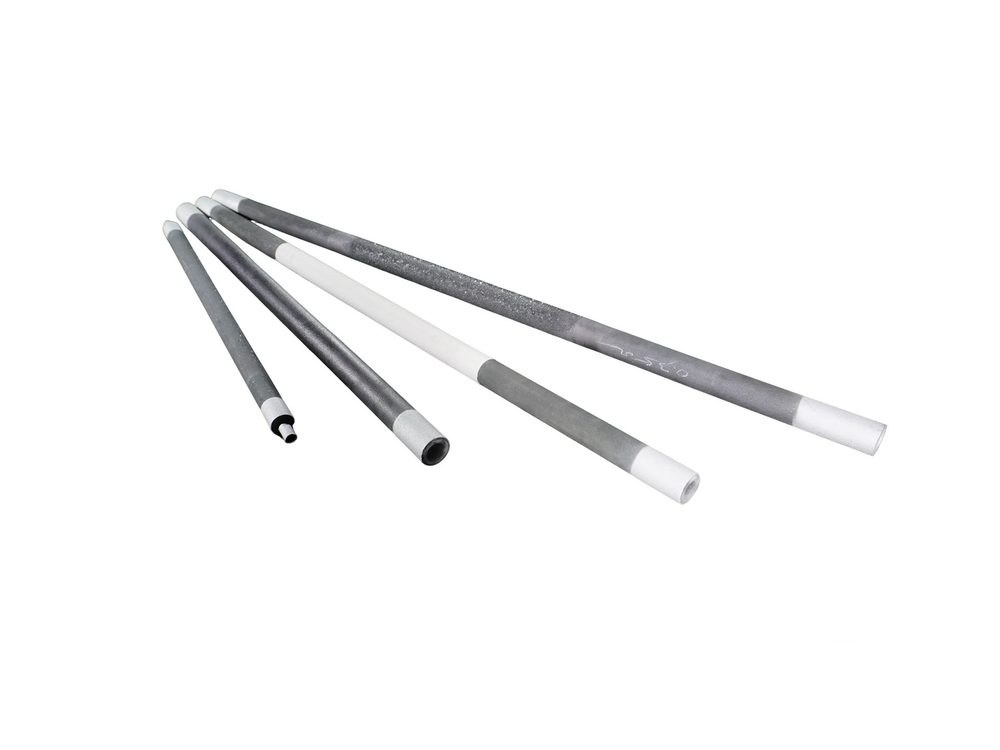
For a new installation or a replacement set, record resistance under consistent measurement conditions and group elements according to the circuit design. Songshan's SiC product range includes ED, DB, U, W, SC, SCR, and UX forms, so the element shape and its electrical position should be considered together. Reliable SiC furnace wiring starts with a clear record of both. Review Songshan SiC heating elements when comparing suitable element types.
Resistance matching is a practical way to reduce avoidable load differences. Project specifications for Songshan SiC elements give a group deviation of no more than ±5% as a matching reference. Confirm the measurement method and applicable product conditions with the current specification before applying a tolerance to a particular furnace.
In a series circuit, the same current passes through each element. A higher-resistance element therefore dissipates more electrical power at that current, which can concentrate heat and accelerate local aging. In parallel, elements share the applied voltage, so a lower-resistance branch draws more current. Neither arrangement removes the need to select elements as a compatible set.
These circuit relationships explain why simply replacing one rod with a visually similar part can create a mismatch. Compare resistance, dimensions, hot-zone length, cold-end length, and terminal layout before installation. Keep the original readings and position labels so a future service decision can be based on the same points.
Where a furnace has separate heating zones, match elements within each electrical group rather than comparing the whole furnace as one undivided set. Check that the active sections cover the intended load area and that terminal ends remain in a cooler, accessible space. A well-matched group is easier to troubleshoot because electrical readings can be related to a specific part of the chamber.
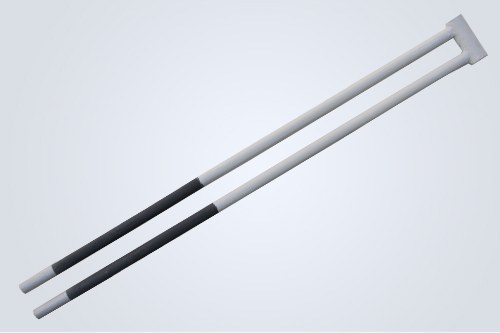
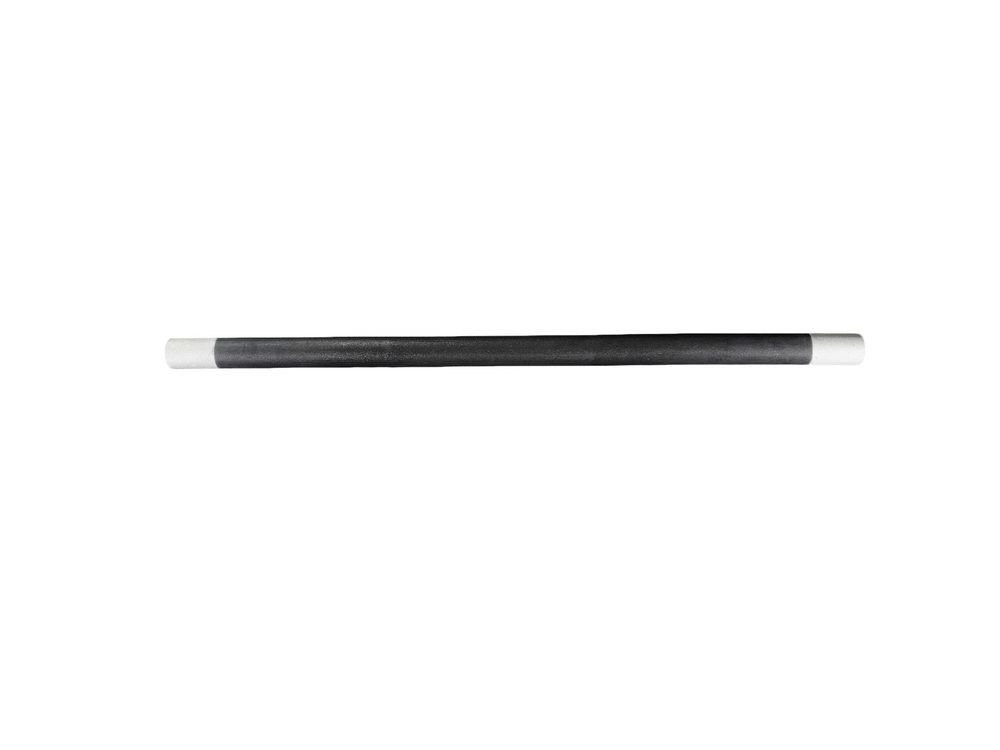
For U-shaped layouts, verify shank spacing and the position of both cold ends. For straight ED elements, check the hot-zone length against the chamber and load. The U-type SiC elements can be reviewed alongside the furnace drawing when a return-leg configuration is being considered.
The appropriate circuit depends on the element resistance, available supply, controller, and total furnace load. A series arrangement can simplify a circuit, but differences between elements may produce unequal power dissipation. Parallel branches make each element voltage easier to define, yet they still need appropriate resistance and current checks.
Some furnace designs use a series-parallel arrangement to balance the available voltage with the number of elements. The decision should come from the electrical design rather than a universal rule. Have a qualified electrical engineer confirm conductor sizing, protection, controller limits, and the expected current for the actual configuration.
A SiC heater circuit may need more voltage as the elements age to deliver comparable heat output. Adjustable transformers or compatible SCR controls can provide operating flexibility, but their usable range must be sized for the starting condition and the expected resistance trend. Record voltage, current, furnace temperature, and element resistance at repeatable service intervals.
A gradual change across the set suggests a different maintenance response from one rod that departs sharply from the others. Before changing connections, check terminals, clamps, supply readings, and temperature distribution. Use the SiC element accessories to review connection hardware, then confirm that the selected parts match the installed element and current product requirements.
A useful service record links each resistance reading to an element location, circuit branch, and date. When the furnace shows uneven temperature, compare those notes with controller output and the loading pattern. That helps distinguish an element-aging trend from a loose connection, an overloaded zone, or a change in how products are arranged.
Replacement decisions should consider the age and measured condition of neighboring rods. A single replacement may fit a stable group if its electrical value and dimensions are compatible. If a large portion of one zone has drifted, replacing a mismatched mix may provide a more coherent electrical set. Follow the equipment manufacturer's maintenance procedure and isolate the supply before inspection.
A new or long-idle furnace should be dried in accordance with its operating procedure before normal production. Increase voltage progressively while observing current and temperature response. A sudden full-load start can impose an avoidable electrical and thermal shock on the elements and power equipment.
During commissioning, confirm that each zone responds as expected and that terminals remain secure and accessible. If one branch heats differently, stop and investigate the circuit and resistance grouping instead of compensating blindly with a higher setpoint. Controlled startup helps establish a baseline for later maintenance.
Songshan SiC heating elements can be evaluated for industrial furnace applications where element geometry, resistance grouping, and electrical controls can be matched to the chamber. Their range of shapes gives furnace teams options, but the correct configuration still depends on the actual drawing, load position, circuit, and service access.
For selection, provide the furnace voltage, circuit layout, element count, resistance readings, hot-zone and cold-end dimensions, and operating cycle. Those details make it easier to assess whether a proposed replacement fits the electrical group as well as the physical opening.
Stable SiC heating elements depend on more than the rod itself: circuit design, resistance matching, voltage headroom, and clear maintenance records all affect furnace temperature uniformity. Reviewing those factors together helps operators identify drift early and select replacements that work with the existing system. Explore Songshan SiC heating elements for options to assess against your furnace circuit and layout.
A: There is no universal connection for every furnace. Series, parallel, or combined wiring depends on supply voltage, element resistance, controller limits, and the number of heaters. Have the circuit checked against the furnace design, and match the resistance of elements that operate together before energizing the set.
A: Elements with different resistance can receive or dissipate power differently within the same circuit. That imbalance may contribute to uneven chamber heating or faster aging in one position. Record resistance under consistent conditions and compare elements within each electrical group before installation or replacement.
A: Sometimes. A single replacement may be suitable when neighboring elements remain in serviceable condition and the replacement matches the circuit, resistance range, shape, and dimensions. If the set has aged unevenly or a zone already has temperature drift, assess the group before mixing a new element with older ones.
A: Check supply voltage, branch current, resistance readings, terminal condition, and temperature response by zone during a controlled startup. Compare the results with the furnace's previous service record. Unexpected differences should be investigated before the furnace returns to its normal production cycle.
© Henan Zhengzhou Songshan Enterprise Group Co., Ltd