

In the exacting field of vertical tube furnaces, facility managers and research engineers encounter distinct thermal difficulties. Common heating options frequently fall short of the strict needs in vertical setups, which causes element drooping, irregular heat distributions, and regular breakdowns from expansion strain. When a Sic heater breaks down too soon, it does not merely halt operations; instead, it endangers costly quartz tubes and threatens the safety of delicate materials in semiconductor or advanced ceramic work. These ongoing issues unsteady lifespan, substantial power waste at connection points, and erratic "aging" call for a collaborator who grasps the blend of material knowledge and furnace design.
Songshan has led efforts to address these manufacturing hurdles since 1980. As a top silicon carbide heating element manufacturer in China, we run the country's biggest facility, focused on studying, making, and shipping high-quality heat parts worldwide. Our dedication to "Quality Leadership" means that each silicon carbide element we create is built to endure the toughest conditions in vertical furnace settings.
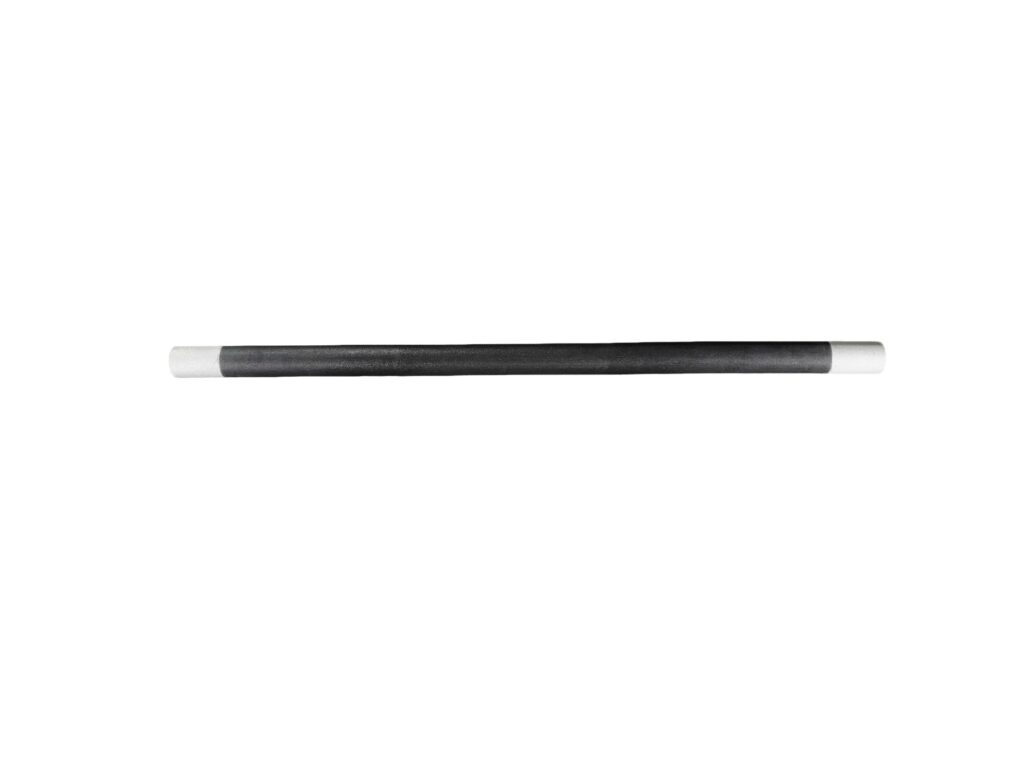
Vertical tube furnaces play a key role in processes that need managed environments and pure heat treatment. Moreover, the upright layout imposes specific stresses on the Sic heater.
Horizontal furnaces allow support from refractory bricks for elements, but vertical ones often demand self-standing or suspended designs. Inferior elements tend to soften or "creep" near 1300°C, resulting in bends that touch the furnace wall or the process tube. Songshan Sic heating elements, however, come from high-purity green hexagonal silicon carbide (purity ≥ 98.5%), and they undergo a unique 2200°C recrystallization firing. Consequently, this forms a strong crystal link structure with a density of 2.6–2.8g/cm³ and a toughness of over 9 Mohs, which delivers the structural strength required to stay straight under intense heat.
For vertical setups, controlling heat at the upper and lower seals proves vital. Extra warmth carried via the "cold ends" might harm furnace seals and squander considerable power. As a leading silicon carbide heating element manufacturer in China, Songshan applies a custom cold-end method. This approach secures an ideal resistance balance between the hot area and the cold end, so it directs thermal output inside the chamber while maintaining cool terminals. As a result, it safeguards the furnace structure and brings notable energy-saving gains for broad industrial uses.
The dependability of a silicon carbide element hinges on its ability to handle oxidation, a phenomenon called "aging".
Above 1000°C, a Sic heater interacts with oxygen to build a SiO₂ shield layer. Although this layer offers protection, its ongoing buildup eventually raises electrical resistance, making it impossible for the element to reach the needed heat. Songshan uses a distinct coating method that includes durable substances such as mullite and silicon nitride, forming a tight shield on the surface. This advancement reduces oxygen entry, thereby prolonging the lifespan of our silicon carbide elements by over 1.5 times when compared to typical options on the market.
Vertical furnaces commonly employ gases that challenge heating materials. For example, moisture and hydrogen speed up Sic aging by attacking the SiO₂ shield. Songshan offers skilled guidance to clients, assisting them in picking the right surface load (W/cm²) for their particular environment be it Air, Nitrogen, CO₂, or Vacuum. When partners follow the suggested surface load (such as under 5 W/cm² at 1400°C), they achieve reliable, enduring results.
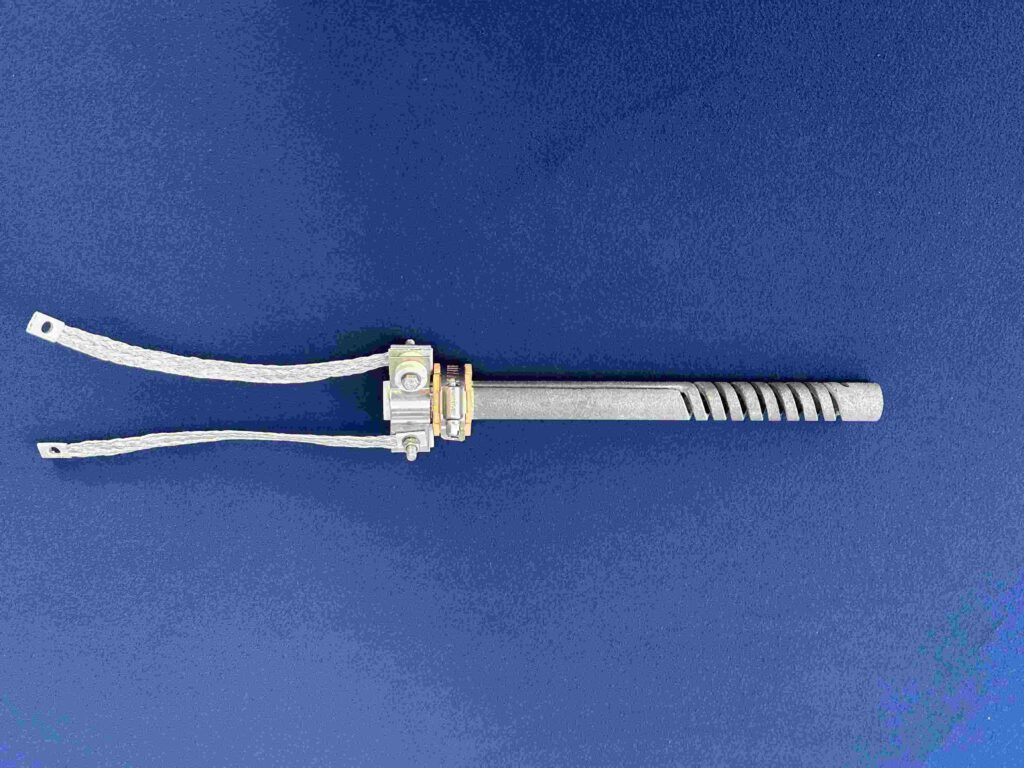
Songshan provides a wide range of silicon carbide elements tailored to different vertical furnace shapes.
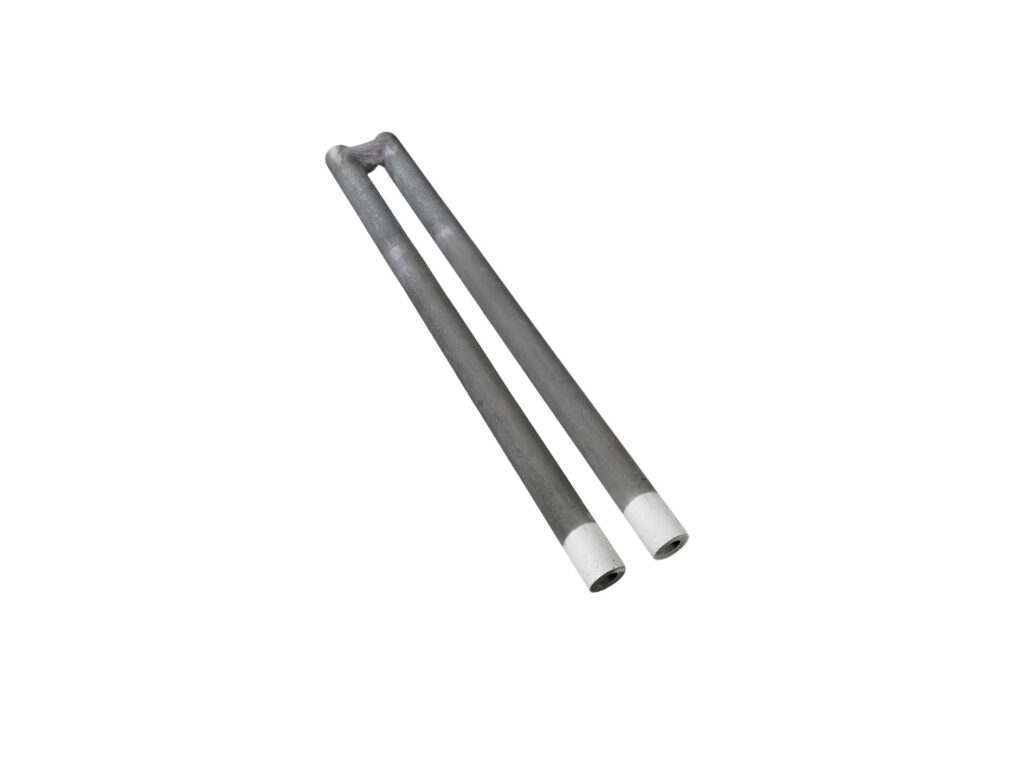
Our standing as a reliable silicon carbide heating element manufacturer in China rests on worldwide achievements. In 2023, a prominent group from India's metallurgy sector toured our facility to fix repeated element failures in their vertical sintering ovens. After switching to Songshan’s dense ED-type elements and using our advised wiring setups (series-parallel mixes), the customer cut yearly repair interruptions by 35%.
At present, Songshan items earn praise in more than 40 nations, such as the USA, Germany, Japan, and Sweden. We command a 70% share in China's home market, which shows that our "Quality Leadership" approach yields real benefits for innovative firms around the globe.
The effectiveness of a high-heat vertical furnace relies on the caliber of its core: the heating element. Selecting Songshan means more than acquiring a part; it involves committing to four decades of metalworking know-how and the cutting-edge production skills of a prime silicon carbide heating element manufacturer in China. No matter if you need the flexibility of the ED type or the accuracy of the SCR type, Songshan supplies the silicon carbide elements essential for excelling in high-heat tasks.
Contact Songshan today to optimize your vertical furnace performance.
A: This is called "aging," caused by oxygen reacting with Sic at high temperatures to form a SiO₂ film, which gradually impedes electrical flow.
A: Yes, our elements are suitable for vacuum atmospheres up to 1204°C without significant negative action on the material.
A: You should match the resistance of elements in each set within a ±5% deviation to ensure uniform heating and prevent localized overloading.
A: It provides low resistance at the terminals, focusing heat in the furnace and preventing overheating of the furnace shell and wiring.
A: An element has typically reached its end of life when its resistance increases to four times its initial value.
© Henan Zhengzhou Songshan Enterprise Group Co., Ltd