

2026-09-18
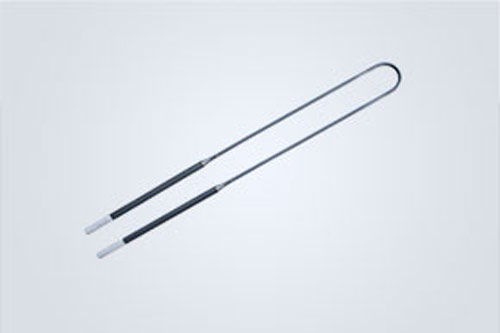
U-shaped MoSi2 heating elements are a natural fit for many vertical furnaces because the bent body supports top hanging, keeps the active hot zone organized, and makes the heat path easier to align with the load. Songshan also offers W, L, round, spiral, M, and straight/X forms, so the final decision should follow the furnace drawing rather than a fixed preference.
The central question is whether the element can hang cleanly, keep the cold ends away from excessive heat, and radiate across the useful chamber area without touching insulation or the load. When those conditions are met, a U-shape becomes more than a product description; it becomes a practical furnace-layout choice.
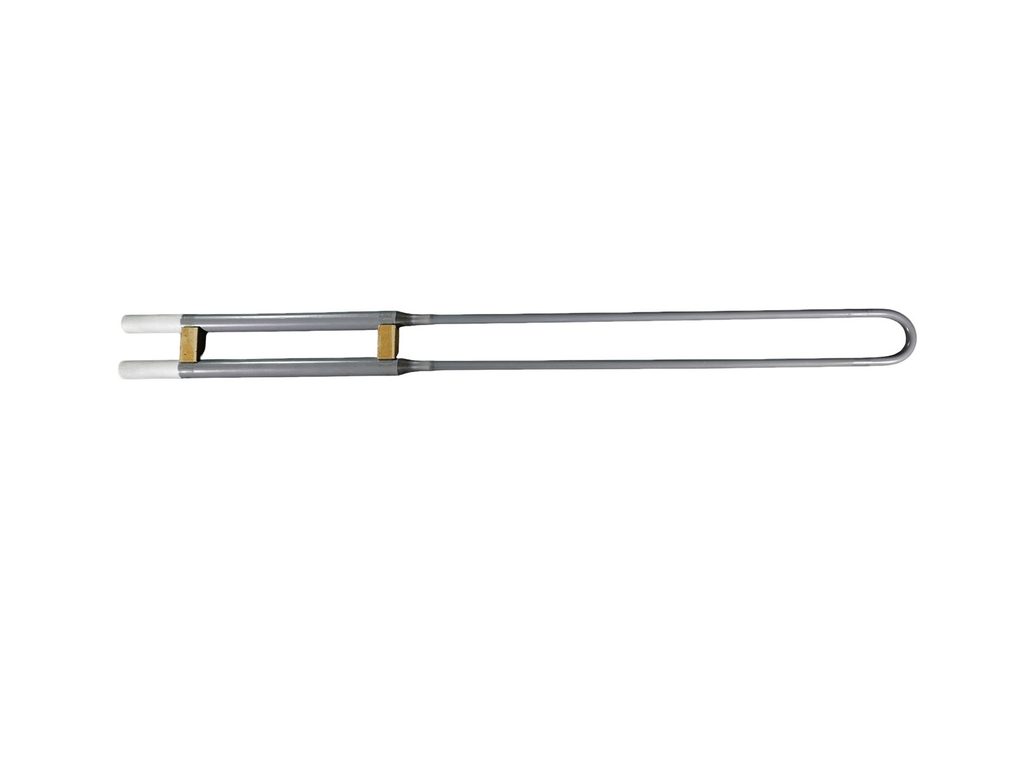
A vertical furnace naturally creates a top-to-bottom heating path. A U-shaped MoSi2 heating element can be suspended from the upper area so its hot section occupies the active chamber while the terminals remain easier to support and protect. This arrangement gives the installer a clear way to manage height, spacing, and access.
The shape also helps reduce unnecessary bending or awkward routing inside a tall chamber. The element is placed according to the furnace's vertical geometry instead of being pushed sideways into a space that was not designed for it. That makes inspection and replacement more straightforward.
The bent hot zone can place radiant heat along a useful central path, which is important when the load is arranged vertically or when the chamber walls are relatively close. The purpose is not simply to fill space. It is to position the active section where the furnace can use the heat evenly.
Heat coverage still depends on chamber height, wall clearance, load size, insulation, and the number and position of elements. A U-shaped heating element should therefore be reviewed as part of a complete layout. The same shape can behave differently in a narrow laboratory chamber and a larger industrial kiln.
U shape is often the cleanest answer for vertical hanging and centered coverage. W type can provide a broader or more distributed active path, while L type can help when the furnace needs a different turn or terminal position. Songshan's range makes this comparison possible without reducing every furnace to the same geometry.
None of these shapes is universally better. The correct choice depends on where the hot zone must sit, how much room exists around the element, and how the terminal area can be kept cooler. A shape that looks efficient in a product image may be a poor fit if it creates tight clearances in the actual chamber.
Round, spiral, M, and straight/X shapes may be considered when the furnace needs a compact path, a different radiant pattern, or another mounting relationship. The point of having several forms is to let the chamber guide the design. A practical selection preserves clearance and heat balance at the same time.
For compact furnaces, a smaller-looking shape is not automatically safer. The active area, terminal location, and distance from insulation still matter. If another Songshan MoSi2 form gives the furnace more room to operate, it may be the better solution even when a U-shape was the initial idea.
The cold ends need enough space to stay cooler than the active hot zone. If the terminals are enclosed by insulation or placed too close to the chamber heat, the connection can become the weakest point. Good access also makes inspection and maintenance less disruptive.
The holder should support the element without creating a rigid pull or a sharp contact point. MoSi2 is ceramic-like at room temperature and should be handled carefully during installation. A clean support arrangement protects both the element's geometry and the operator's ability to service it.
A U-shaped MoSi2 heater should not press against the load, furnace brick, or insulation. Contact can create local overheating, uneven radiation, and mechanical stress. Enough clearance allows the hot zone to perform as a radiant source instead of fighting the chamber around it.
This is especially important in vertical systems because the load may shift during charging or unloading. The final installation should consider the real movement path, not just the empty chamber. A stable layout remains stable after the furnace is loaded and cycled.
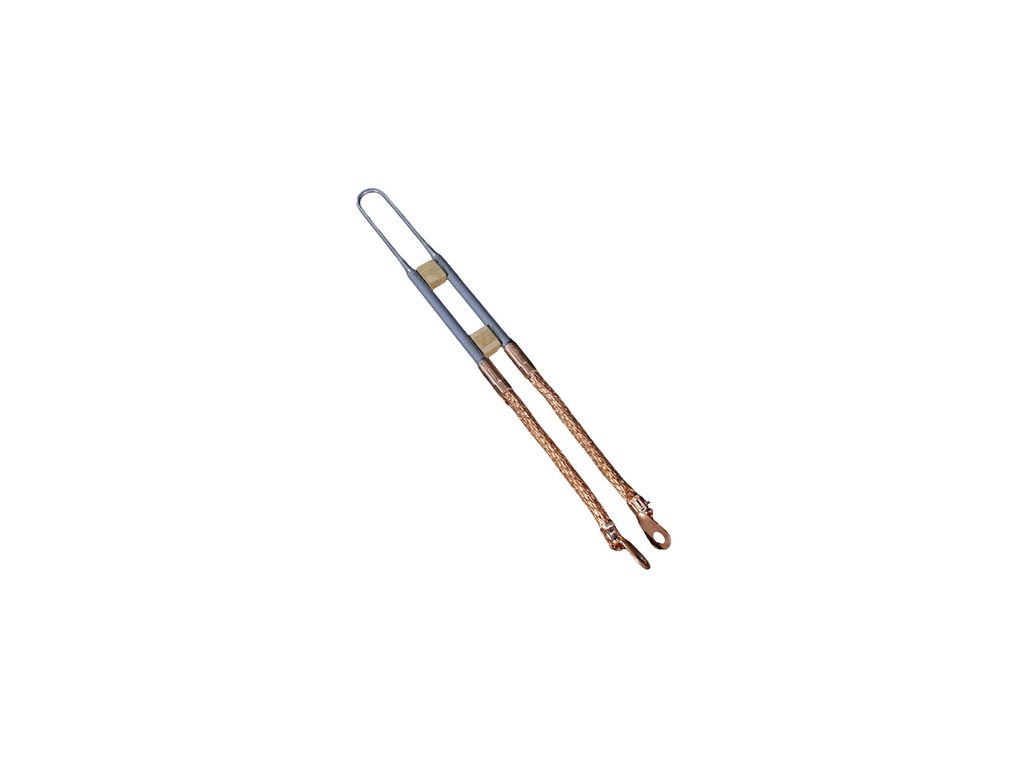
Ceramic, glass, and refractory processes rely on repeatable heat exposure and controlled furnace conditions. A well-positioned U-shape element can keep the active heat path aligned with the load while leaving the terminals easier to protect. That supports a cleaner and more understandable chamber layout.
The element is only one part of the result. The operator still needs to manage loading, ramping, atmosphere, and cooling. When those conditions are stable, the geometry has a better chance of delivering consistent heat from one cycle to the next.
Batch and laboratory furnaces often change load size and cycle frequency. A top-hung U shape can be useful because it is easy to inspect, easy to relate to the chamber height, and relatively clear during replacement planning. The practical benefit is a layout that remains understandable even when the process changes.
If the furnace is especially compact or the terminals are difficult to reach, another shape may be more sensible. That is why the Songshan range matters: it allows the engineer to compare U, W, L, round, spiral, M, and straight/X options against the real operating pattern.
The Songshan product range gives vertical-furnace engineers a way to compare shape and grade together. Start with chamber height, load position, and terminal access, then examine which MoSi2 form provides the cleanest hot-zone path. The objective is a stable fit, not the longest product list.
The MoSi2 heating elements category is useful for reviewing the available forms, while a furnace drawing is needed to decide whether a U-shape is truly appropriate.
A chamber drawing shows the information that a keyword cannot: usable height, wall spacing, support points, terminal room, load path, and insulation position. Those details decide whether the U shape can hang freely and whether the hot zone can cover the load without creating local stress.
This approach also prevents overcomplication. If the U shape fits the chamber naturally, it may be the simplest and most serviceable choice. If the drawing points toward W, L, round, spiral, M, or straight/X, the better decision is to follow the geometry.
U-shape MoSi2 Heating Elements are well suited to vertical furnaces when top hanging, centered heat coverage, and protected terminals are important. Their value comes from how the shape works with the chamber, not from the shape name by itself.
Songshan's range gives engineers room to compare several MoSi2 geometries before committing to a layout. A furnace drawing, operating cycle, and clear installation plan turn that range into a practical decision for long-term heating stability.
For unusual dimensions or replacement constraints, contact Songshan with the operating conditions and existing installation details.
A: They are commonly considered for vertical furnaces that need top hanging, centered heat coverage, and manageable terminal access. The U form places the active hot zone inside the chamber while keeping the mounting path clear. It can suit ceramic, glass, refractory, batch, and laboratory furnace applications.
A: No. A U-shape is often a natural fit for vertical hanging, but W or L may suit a wider heat path, different wall clearance, or another terminal position. The correct choice depends on furnace geometry, load placement, and support design rather than shape preference alone.
A: Check chamber height, wall spacing, clearance from the load and insulation, terminal room, support points, and the furnace cycle. These details show whether the element can hang freely and radiate evenly. Existing photos and failure locations can also reveal hidden installation problems.
A: Songshan offers multiple MoSi2 shapes and grade choices, allowing engineers to compare the element with the furnace layout instead of relying on a generic replacement. That makes it easier to select a practical hot-zone path, protect the terminals, and keep maintenance manageable.
© Henan Zhengzhou Songshan Enterprise Group Co., Ltd