

Keeping top performance in intense heat for factories remains a tough challenge. Facility managers and furnace workers often face hidden losses in profits. These include regular stops in work, uneven heat spread, and rising power costs from early breakdowns of parts. When a heating part wears out or breaks, it does more than halt one device. It stops whole production lines, spoils materials, and raises repair expenses. Such issues usually arise from picking low-quality materials that fail under ongoing heat pressure.
At Songshan, we have devoted more than 40 years to creating fixes for these exact problems. We started in 1980. We rank among the top three makers of high-heat heating parts worldwide. We hold a 70% share of the home market in China. Plus, we ship to over 40 nations. As a vital tech-focused company, we focus on research and the making of MoSi₂ and SiC heating elements. These suit those who need strong, lasting quality and exactness.
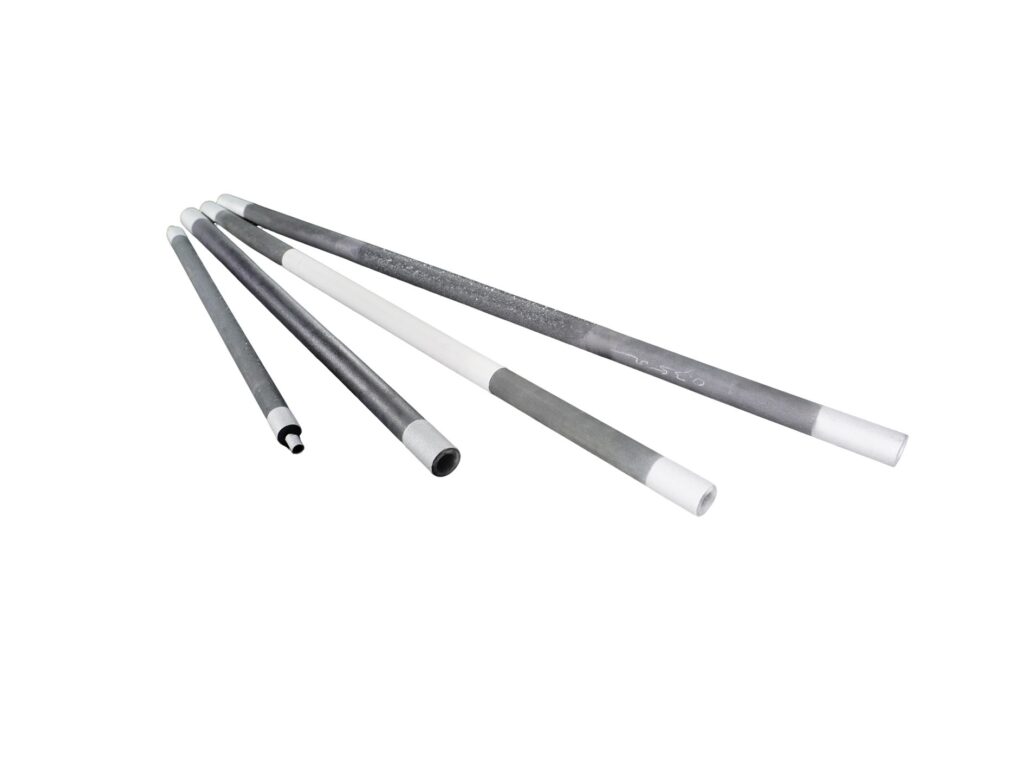
For sectors working between 600°C and 1450°C, silicon carbide rods in electric heating systems serve as the top choice for non-metal heating. Metal parts from the past might bend or rust quickly in such harsh conditions. In contrast, SiC parts deliver better strength and steady resistance to chemicals.
The key to strong output in Songshan parts comes from our building method. We pick fine green silicon carbide. Then, we shape it into rough forms. After that, we apply siliciding and re-crystallizing at over 2200°C. This method builds a solid link among the SiC grains. As a result, it gives even electrical flow and firm toughness. When users apply these silicon carbide rods for heat-resistant applications, they gain from a substance known for high working temperatures and great protection against rust.
Even heat matters a lot in heat processing. Our best SIC heater elements for temperature control, like the Songshan Silca ED (Rod) type and SGR type, are built to provide steady heat release. We suggest checking resistance before setup. In that check, the difference among parts in a group stays under ±5%. This careful step avoids hot areas that might cause too much local heat and flaws in goods.
Factory ovens often prove tough not only due to heat, but also because of the air inside them. Moisture, basic substances, and liquid metals can all eat away at usual parts. This leads to quick wear, where electrical resistance climbs as time passes.
A frequent weak spot in electric heating occurs at the "cold end." This is the part that goes through the oven wall. If it gets too warm, it might harm the oven's body and lose much power. At Songshan, we use a fresh-making method for cold ends. It offers a fine balance in resistance between the warm area and the cold part. Therefore, this new way keeps warmth focused inside the oven space. It guards your gear and supplies the best SIC heater elements for temperature control for operations that watch energy use closely.
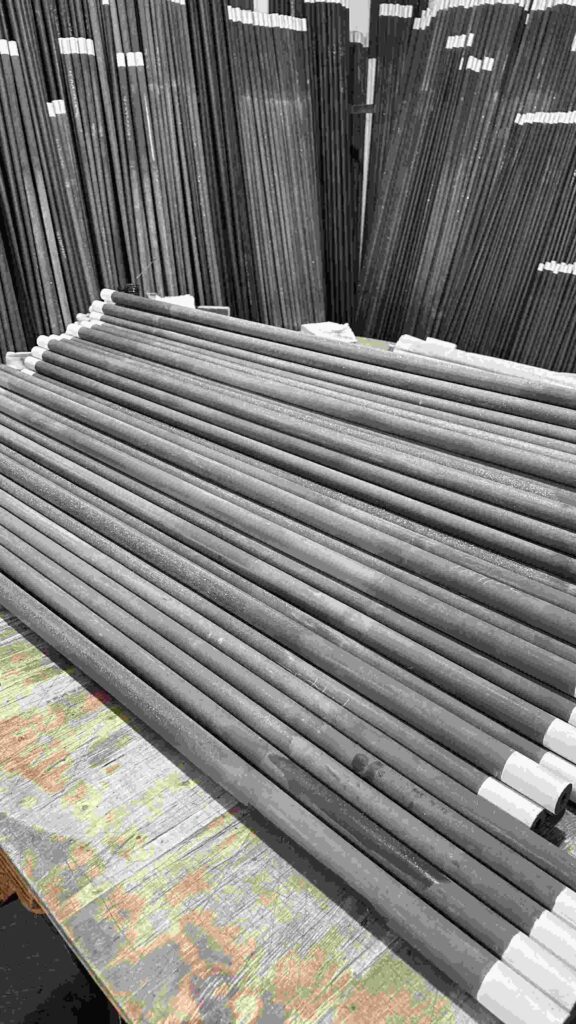
In cases with moisture or harmful gases, SiC changes to make silicon dioxide (SiO₂) or gases that escape. These changes thin the rod and cause it to fail. To address this, we provide silicon carbide rods for heat-resistant applications with special guard layers. We make these layers from heat-proof items such as molybdenum disilicide, and silicon nitride . In real tests, these layers have been shown to lengthen the part's life by over 1.5 times in tough settings.
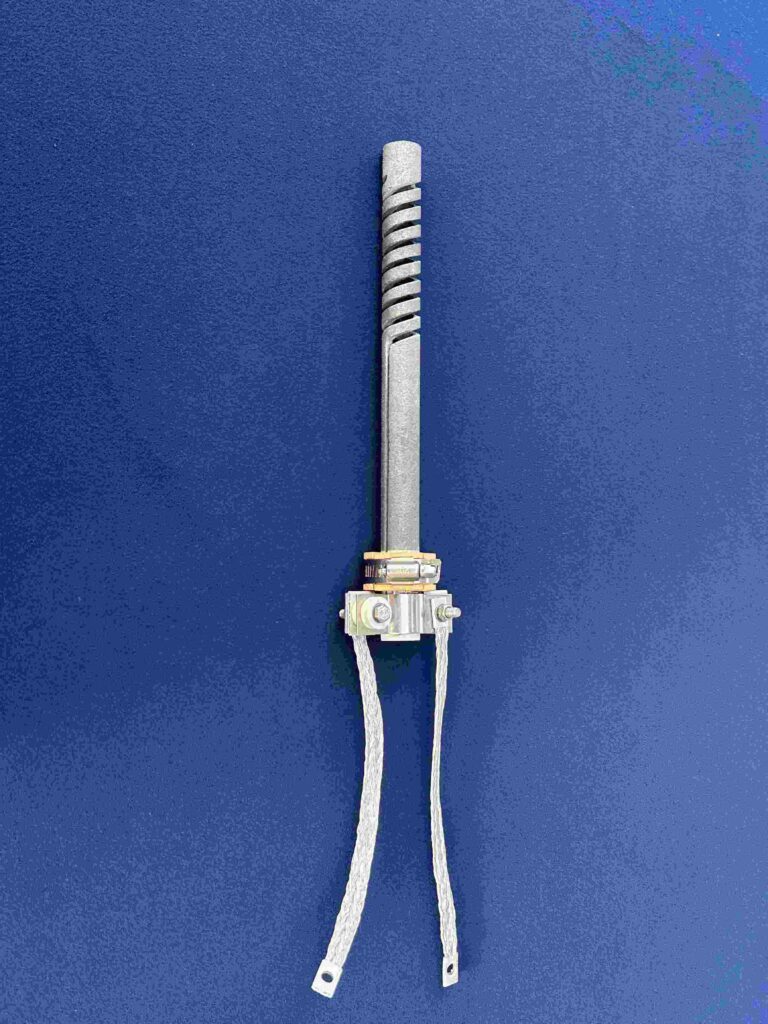
Strong work in high-heat tasks does not happen by luck. It comes from selecting parts built for the job. When you add silicon carbide rods in electric heating systems from Songshan, you pick 40 years of study, 2200°C re-crystallizing power, and power-saving cold-end methods. Whether in ceramics, glass, or metal powder work, our focus on "technological innovation and quality leadership" keeps your making process warm and your expenses low.
Contact Songshan today to optimize your furnace performance:
A: In an oxidizing atmosphere, our standard elements reach 1400°C, with specialized models capable of 1500-1600°C.
A: An element has reached the end of its service life when its electrical resistance increases to four times its initial value.
A: It is best to replace the entire set. If replacing one, you must match its resistance value to the old one to avoid an electrical imbalance.
A: Our new cold-end production process ensures more heat stays in the furnace hot zone rather than escaping through the furnace walls.
A: Aging is caused by the slow reaction of SiC with oxygen to form a SiO₂ film, which gradually increases electrical resistance over time.
© Henan Zhengzhou Songshan Enterprise Group Co., Ltd