

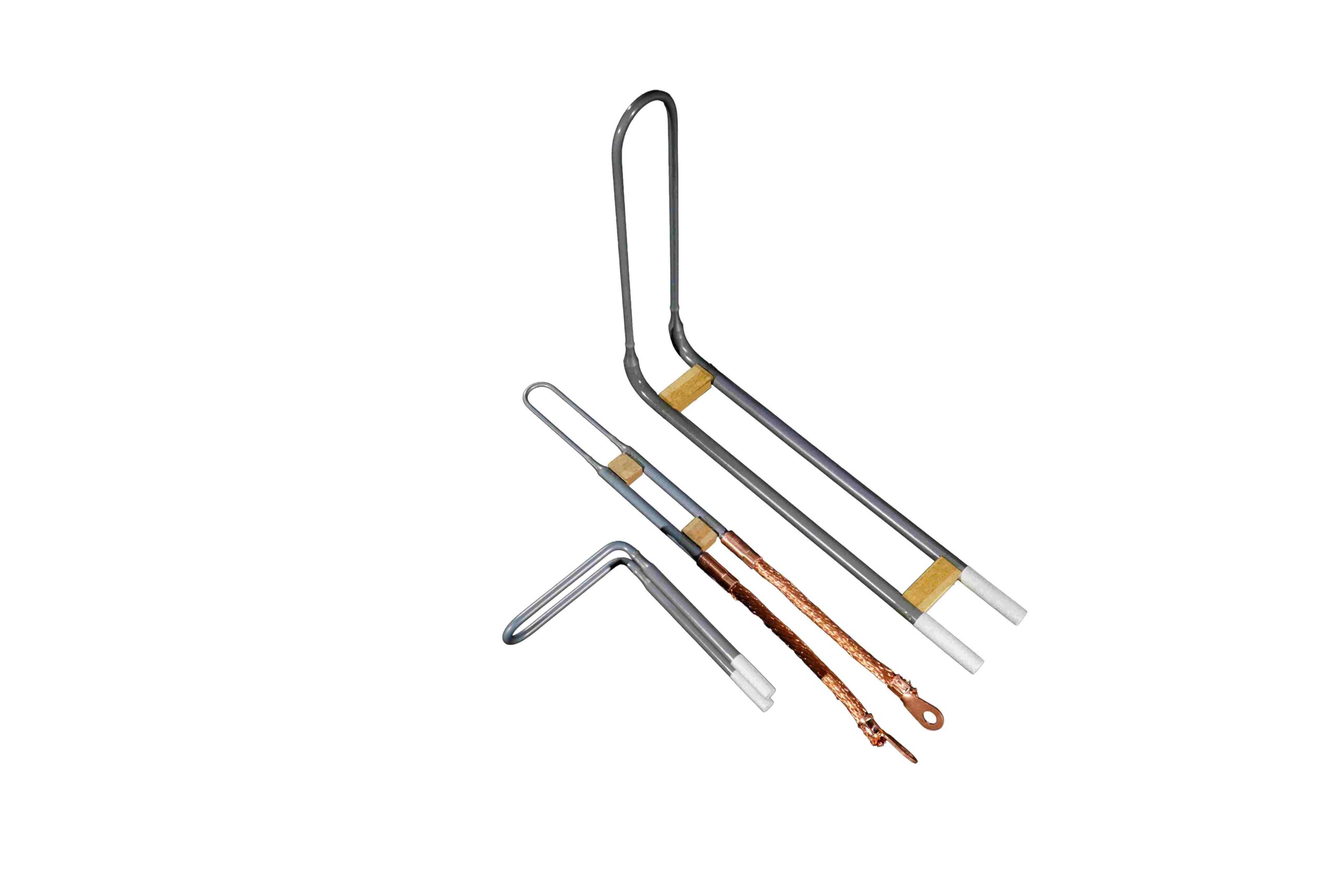
In the tough realm of ultra-high temperature industrial processing, a sudden breakdown of a heating element creates far more than a small hassle—it turns into a major production disaster. For facility managers and furnace operators, the real challenges stand out clearly: unplanned interruptions, the steep expense of spare parts, and the waste of whole batches from temperature swings. When a molybdenum disilicide heater gives out too soon, it usually results from poor setup, unsuitable surroundings, or mishandling key heat stages. Such issues chip away at profits and steady operations.
At Songshan, we grasp that dependability drives your operations. Since 1980, we have concentrated on developing high-temperature materials, emerging as one of the three biggest producers of heating elements worldwide. As a top MoSi2 heater supplier for energy-efficient heating solutions, we supply ISO9001-approved items that fuel vital industries, from electronic ceramics to metallurgy. Our approach of "technological innovation and quality leadership" makes sure that our elements not only hit high temperatures—they endure there for extended periods.
The outstanding toughness of MoSi2 heating elements for high-temperature applications comes from a special chemical process. When a molybdenum disilicide heater works in an oxidizing environment at elevated temperatures, it combines with oxygen to create a tight quartz glass (SiO₂) layer on its surface.
This self-healing barrier serves as the element's main guard against deeper oxidation. If the layer gets a bit scratched, it rebuilds itself while the high-temperature operation continues. Yet, keeping this layer intact demands careful methods. If the element's heat goes beyond 1700°C–1800°C (based on the type), the SiO₂ layer might soften and fail to protect anymore. As a key MoSi2 heater supplier for energy-efficient heating solutions, Songshan provides MS17 and MS18 types, which are built to sustain this shielding layer in various industrial uses.
A frequent yet often overlooked issue for furnace operators involves pesting—the low-temperature oxidation that breaks the element into dust.
Although MoSi2 elements suit intense heat, they prove fragile during the initial warm-up. If they linger between 400°C and 700°C for too long, the element faces stronger oxidation, which can reduce it to powder. In that range, the shielding quartz layer fails to develop, so oxygen seeps into the material's boundaries.
To extend service life as much as possible, Songshan's solution is that operators rush past this low-heat zone at furnace startup. For fresh or inactive furnaces, a gentle drying at 100-200°C proves essential. However, once heating starts, moving swiftly through the 400-700°C area remains crucial to safeguard the strength of your MoSi2 heating elements for high-temperature applications.
Since molybdenum disilicide heater materials resemble ceramics, they stay very brittle at normal temperatures, but they turn flexible once warmed.
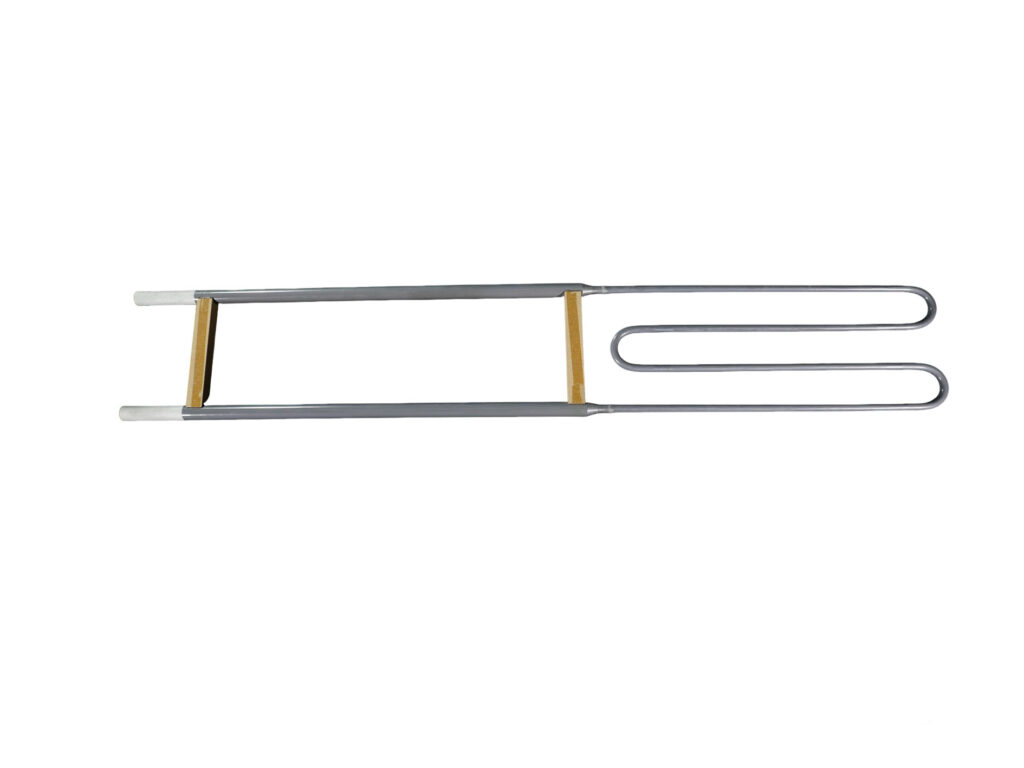
The best method to set up our MoSi2 U-type or MoSi2 W-type elements involves vertical hanging. This setup lets the element holder bear the weight, which avoids direct strain on the heating section that might cause cracks as the material stretches and shrinks.
A key benefit of Songshan's MoSi2 design lies in the fact that the electrical resistance of the elements does not depend on their usage duration. Unlike silicon carbide types, our MoSi2 items show little wear over time. Therefore, if one element breaks, you can swap it out alone, without changing the whole group, because new and old ones can join the same circuit without sparking electrical issues.
Effectiveness and durability hinge largely on picking the right surface load (W/cm²) matched to your furnace's heat level.
In lab furnaces or high-heat sintering lines where temperatures climb to 1600°C, keep the surface load in the hot area below 12W/cm². Pushing the element too hard makes it overheat compared to the furnace air, which speeds up the wearing of the protective layer. When you follow Songshan's suggested surface load charts, your MoSi2 heater supplier for energy-efficient heating solutions delivers a setup that blends quick warmup with a lifespan reaching over 3,000 to 5,000 hours.
A notable strength in Songshan's quality focus is our emphasis on material cleanliness. "Bubbling" on the element's surface often arises from iron (Fe) contaminants in the base materials or binders. These flaws interfere with building a solid SiO₂ layer, resulting in hot spots and harm. Through tight control of iron levels and modern sintering techniques, Songshan guarantees an even, bubble-free finish, marking a sign of superior molybdenum disilicide heater quality.
Extending the lifespan of your heating elements blends advanced material knowledge with smart operating habits. By grasping how the quartz layer heals itself, steering clear of the pesting heat range, and securing installation without stress, you shield your production from sudden breakdowns.
As a worldwide frontrunner in high-heat technology, Songshan pledges to offer the expert guidance and robust MoSi2 heating elements for high-temperature applications that your site needs.Ready to optimize your furnace performance? Contact our technical experts today for custom heating solutions and comprehensive support.
A: Yes, in a vacuum or inert atmosphere, the service life can actually be extended to about 5000 hours, though the maximum operating temperature may be lower than in an oxidizing atmosphere.
A: This is likely due to "pesting." Operating for long periods at temperatures between 400 and 700°C causes low-temperature oxidation, which shatters the material.
A: No. Because the resistance of our MoSi2 elements does not change with use, you can mix new and old elements in the same circuit.
A: It prevents mechanical stress on the element. Since MoSi2 becomes plastic at high temperatures, vertical hanging uses gravity to maintain the element's shape and prevent breakage.
A: Bubbling is usually caused by impurities like iron or incomplete sintering, which prevents the formation of a dense protective film.
© Henan Zhengzhou Songshan Enterprise Group Co., Ltd