

Procurement experts and furnace technicians often encounter a common issue when choosing parts for intense heat settings. The main oversight usually involves concentrating solely on the starting cost or peak heat levels, while ignoring the key aspect of steady resistance over extended periods. Picking a basic item commonly results in early wear, marked by a quick rise in electrical resistance that soon makes the heating setup less effective or useless. Such breakdowns generally cause expensive stoppages in operations and irregular warmth spread, which harms the standard of the end result. To tackle these issues, a change toward pure, carefully crafted materials is needed, ones that emphasize lasting results rather than quick gains. Songshan meets these sector problems by offering forward-thinking heating options built to maintain stability in the toughest heat situations.
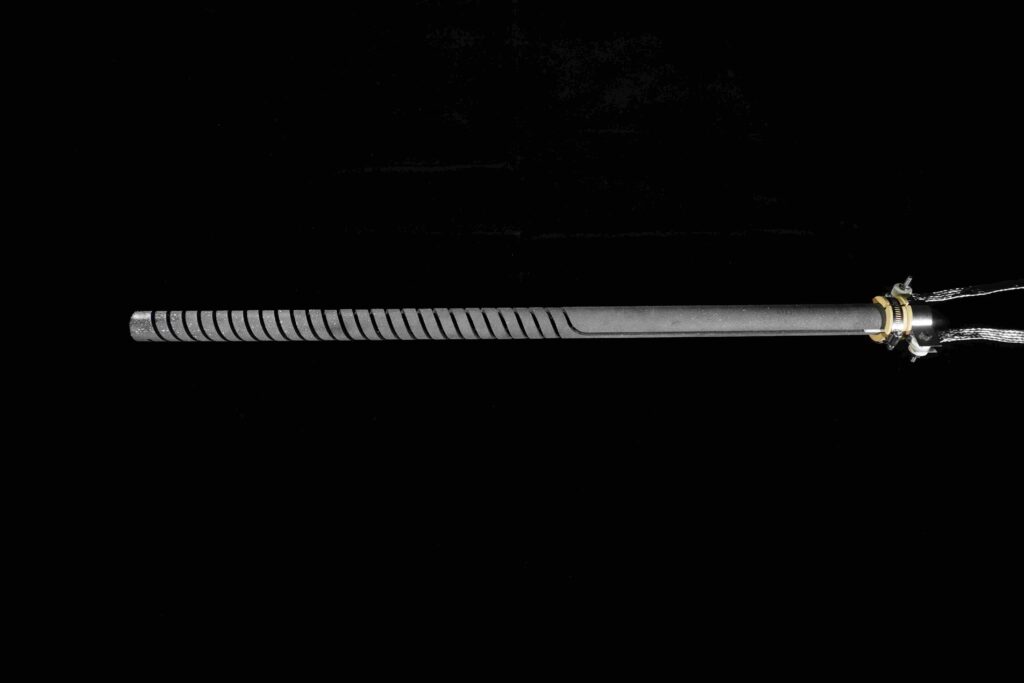
To grasp what makes a top-notch part, consider the thickness and cleanliness of the silicon carbide base. Excellent, strong temperature SiC heating elements come from a rebuilding process at heat levels above 2200°C. This method forms a solid link between SiC grains. Such a thick framework is vital because it slows the deep entry of oxygen into the part's core. When the material's open spaces are reduced, the speed of inside rusting drops. As a result, the growth in electrical resistance happens much more gradually a change known as aging. Ordinary parts may break down soon due to fast rusting. In contrast, the thick versions from the best SiC rod supplier for high temperature applications last 1.5 to 2 times longer than regular ones.
Another key feature is the accuracy in matching resistance. In setups with multiple parts, the difference in resistance among items in a group must stay under ±5%. Songshan applies unique making steps for cool ends. These ensure a better balance between the hot area and the cool end resistance. This approach not only cuts energy use but also stops the cool ends from getting too hot. Consequently, it safeguards the furnace's build and promotes even warmth across the space.
These parts' flexibility makes them essential in many business areas. The silicon carbide rod heaters for electric furnace systems work mainly in places needing heat from 1000°C to 1450°C. Some advanced types handle up to 1600°C. In ceramics, they supply steady warmth for firing fine china and heat-resistant items. Glass makers depend on them for melting and cleaning steps, where exact heat control matters for the glass's strength. Moreover, they serve widely in metal powder work, magnetic item creation, and semiconductor building. Whether in ongoing tunnel ovens or small lab box furnaces, these parts give the heat ray power and resistance to acid wear needed for reliable ongoing use.
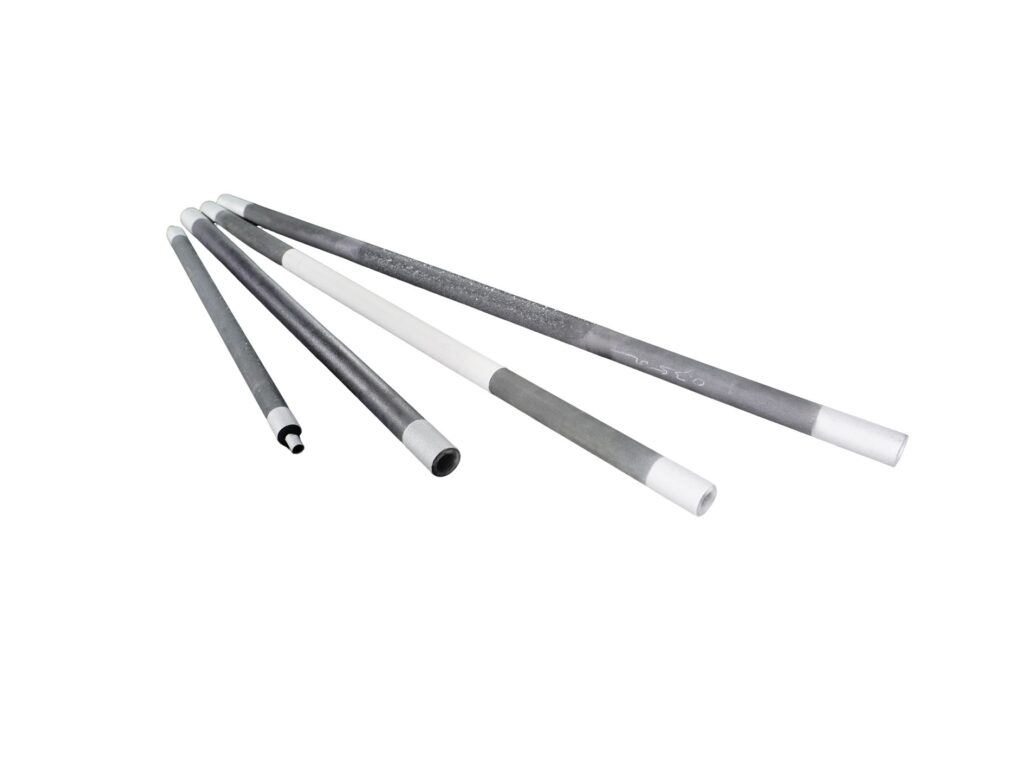
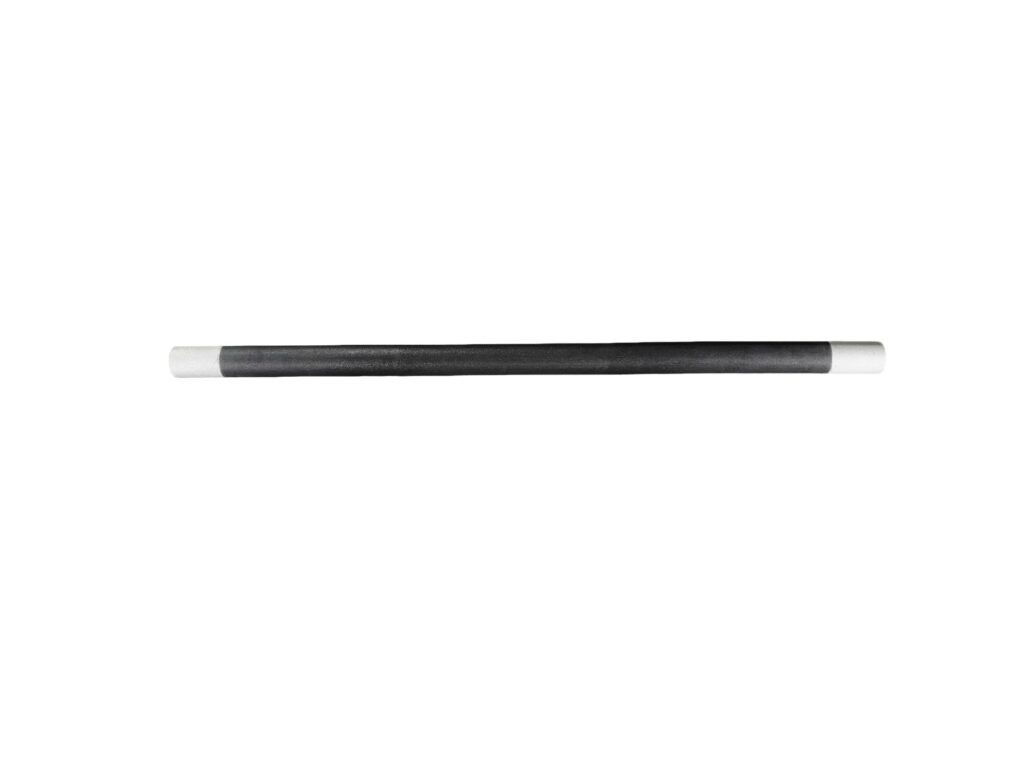
Choosing the right form is crucial for improving oven layout and warmth flow. Songshan offers a full set of designs to fit particular building needs. The ED or straight rod style is the usual one. It has a middle hot section and two low-resistance cool ends for typical factory ovens. In cases where connections come from just one furnace side, U-type and W-type (three-phase) parts help. They ease wiring while keeping strong power levels. For special tools, SC (single spiral) and SCR (double spiral) types deliver focused heat, often in compact or tricky oven areas. Also, DB (dumbbell) type parts have thicker cool ends. This setup keeps heat right in the oven space and shields outside walls and links from heat harm.
Established in 1980, Songshan has positioned itself as one of the three biggest producers of high-heat heating parts worldwide. With more than four decades of skill in research and development, the firm focuses on creating and building strong materials that follow strict global benchmarks ISO 9001 . By holding a leading share in the home market and shipping to over 40 nations, the name has grown to mean dependability and skill in electric heating. The focus on excellence shows in the choice of pure green silicon carbide and modern rebuilding methods, which make sure each part delivers the best warmth output.
These parts' strength appears clearest in tough business settings. For example, in nonstop firing ovens for new energy items, the steadiness of strong temperature SiC heating elements decides output success. A top semiconductor item maker switched to Songshan goods recently. The switch fixed frequent breaks from heat shocks. By using thick rebuilt rods with aluminum-coated ends, the site gained steadier power handling and fewer fix periods. This move cut overall ownership costs. It also boosted the evenness of fired slices, which strengthened the firm's status as the best SiC rod supplier for high-temperature applications.
When assessing a possible ally, company heads should go past basic specs. They need to check the maker's building skills and help set up. A strong maker must show firm adherence to global quality controls like ISO 9001:2000. It should have the know-how to advise on surface power levels. Going over the suggested W/cm² for a set oven heat is the top reason for early part breakdowns. Plus, the maker must supply many add-ons, such as aluminum weave link bands and special holders, to ensure safe and smooth power links. Picking a builder like Songshan, which oversees all steps from base material pick to last rebuilding, guarantees that the silicon carbide rod heaters for the electric furnace will work as expected over their full use time.
Spending on fine SiC heating parts is a smart choice that affects the output, trustworthiness, and gains of high-heat business tasks. By focusing on thickness, even resistance, and tested build knowledge, company heads can avoid usual traps in heat part buying. Songshan keeps working to expand material knowledge. It supplies the world with parts that bring both intense heat and great durability.
To improve your oven output and talk about custom heating fixes suited to your exact business wants, reach out to our tech group now. Our specialists are set to give the facts and aid needed to boost your heat handling skills.
A: Standard models operate efficiently up to 1450°C, while specialized high-performance models can reach 1600°C in oxidizing atmospheres.
A: An element is generally considered to have reached the end of its service life when its electrical resistance increases to four times its initial value.
A: Matching resistance within a ±5% deviation ensures uniform heating and prevents individual elements from overloading, which extends the overall lifespan of the set.
A: Yes, they can be used in vacuum environments, though the maximum operating temperature may differ from those used in air or inert atmospheres.
A: Aging is caused by the gradual oxidation of SiC into SiO₂, which increases the electrical resistance of the element over time.
© Henan Zhengzhou Songshan Enterprise Group Co., Ltd