

2026-03-27
In tough industrial heating setups, the price of a heating element is just a small part of the overall expense from breakdowns. For factory bosses and oven workers, the main troubles come from sudden stops in work, lower product standards from heat changes, and rising power costs due to fading element performance. When a heating element breaks early or wears out fast, it halts whole assembly lines. This results in delayed schedules and lost supplies.
At Songshan, we have worked for more than forty years to fix these key heat issues. As a main advanced tech firm in China, we run the biggest local site for making high-heat electric heating elements. We focus on "tech advances and top quality" , which has built us as a reliable ally worldwide. Our services cover magnetic materials, precision ceramics, glass, and metallurgy.
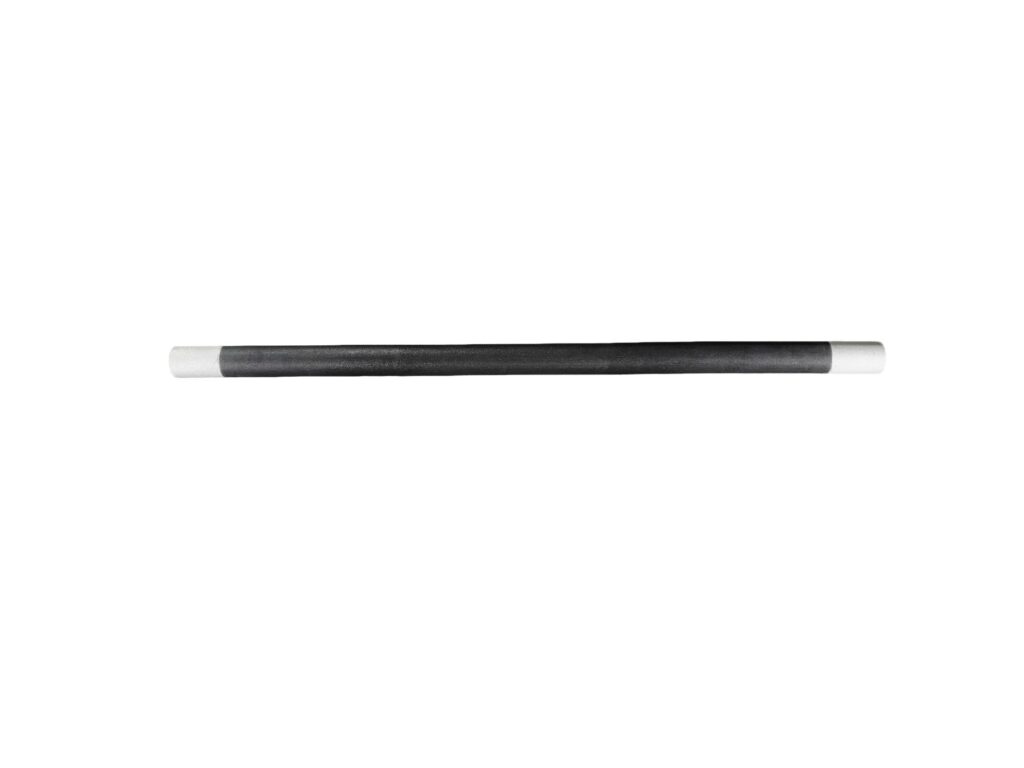
Picking the proper heating element needs a solid grasp of how substances behave in their surroundings at very high temperatures. For many factory uses, the pick comes down to Silicon Carbide (SiC) or Molybdenum Disilicide (MoSi2).
Silicon Carbide parts serve as the reliable mainstay in the 1000°C to 1450°C range. Songshan uses picked top-grade green silicon carbide. It gets shaped into rough forms and then goes through high-heat siliconizing and recrystallizing at 2200°C. This method builds a strong "linking" setup between SiC bits. As a result, it gives great physical power and even electric flow.
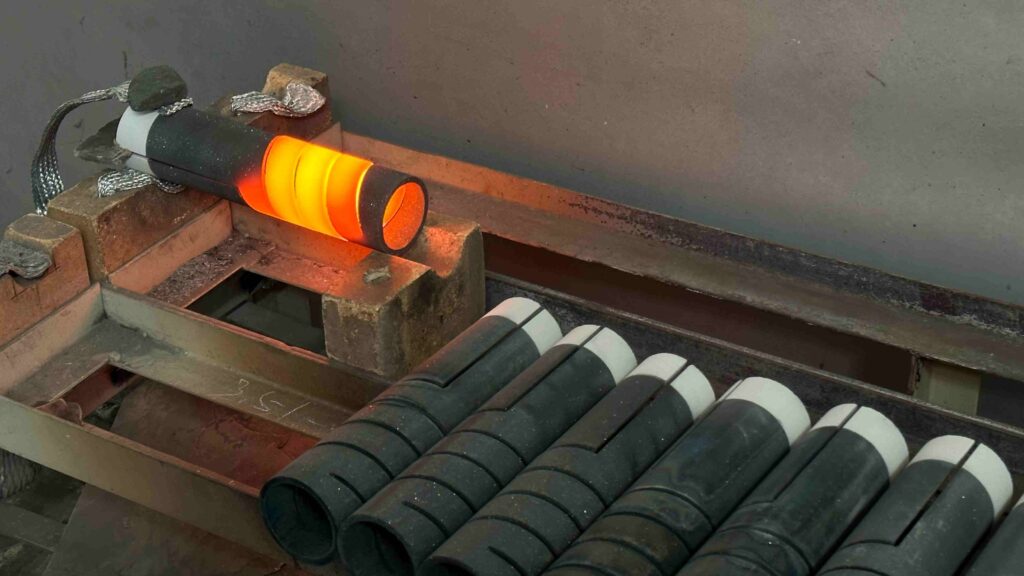
Using Energy-efficient SiC heating elements for manufacturing brings better resistance to rust and decay. These parts work well in areas like metal powder work, glass making, and pottery fields. To boost output further, Songshan created a fresh making method for "cold ends." It adjusts the resistance balance between the hot area and the cold part. Thus, warmth stays focused inside the oven space, and it shields the oven frame from excess heat damage.
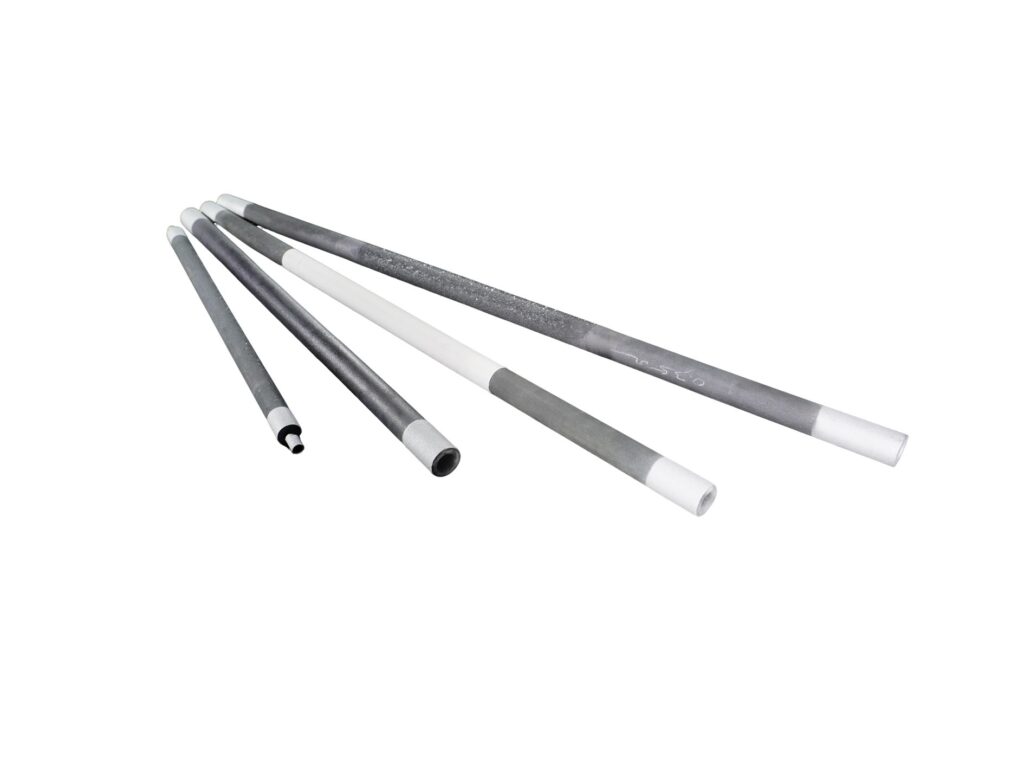
For tasks that reach 1700°C or 1800°C, MoSi2 heating elements for high-temperature processing become essential. These items, sold as Songshan Super Heating Elements, come from pure Molybdenum Disilicide. Their strong output comes from a special repair feature. In air with oxygen, high-heat burning creates a tight quartz (SiO2) shield layer on the outside. This layer stops the inner MoSi2 from rusting. Therefore, it allows steady work over time in the lab and factory baking ovens.
Strength often gets cut short by substance wear or damage to surroundings. Knowing these processes is the initial move toward lasting use.
The key issue with SiC is "aging"—a slow rise in electric resistance as oxygen links with SiC grains to make SiO2. At Songshan, we address this by increasing the density and reducing the porosity. Our high-density models reach a working time 1.5 to 2 times beyond standard bars. Plus, we offer custom shield layers . These can stretch an item's life by over 1.5 times in rough settings.
A usual problem for MoSi2 users is "pesting"—a sudden low-heat rusting that happens between 400°C and 700°C. In this span, the shield SiO2 layer fails to build properly. So, the stuff turns to dust. Songshan fixes this by suggesting clear oven start steps. These steps speed through this risky zone fast. Our pure making also avoids "bubbling" flaws from iron bits. Without it, those bits can break the shield layer and cause spot failures.
The top output is not only about the part alone. It also involves the design and check systems behind it. Songshan’s ISO9001-approved handling and years of study in high-heat substances make sure our goods—such as Energy-efficient SiC heating elements for manufacturing or MoSi2 heating elements for high-temperature processing—give the trust your site needs.Ready to improve your heat setups? Contact Songshan now for skilled tech help and strong solutions.
A: It is generally considered at the end of its service life when its electrical resistance increases to four times its initial value.
A: Yes. Because the resistivity of MoSi2 does not change significantly over time under normal conditions, new and old elements can be mixed in the same circuit.
A: At elevated temperatures, water vapor produces substantial oxygen, resulting in an oxygen-enriched atmosphere that significantly accelerates the degradation of silicon carbide rods.
A: It reduces the resistance in the cold end relative to the hot zone, saving energy and preventing heat damage to the furnace shell and connections.
A: This is due to "low-temperature oxidation" between 400-700°C, where an effective protective film cannot form, allowing oxygen to penetrate and shatter the material.
Copyright©Zhengzhou Songshan Heating Elements Co. Ltd