

2026-10-08
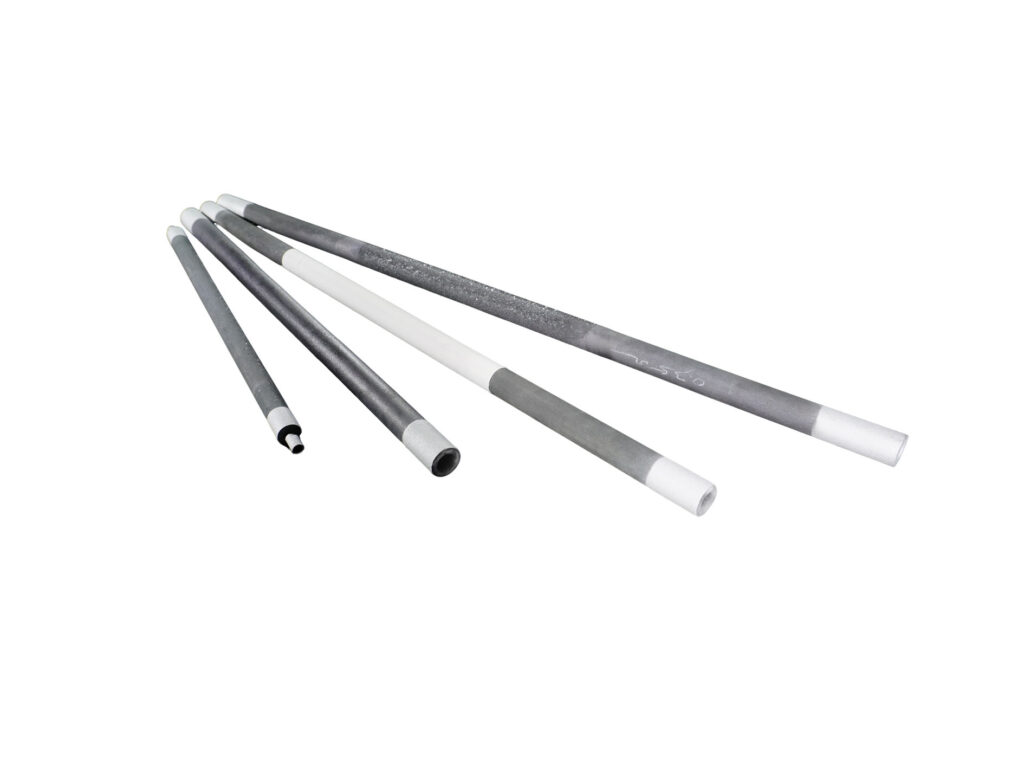
ED-type silicon carbide heating elements are a practical choice when a furnace needs straight rod coverage across a defined heating zone. The correct selection depends on outer diameter, hot-zone length, cold-end length, overall length, and resistance, because a rod that fits the opening can still deliver uneven heat or overload the power circuit. Songshan ED elements use a central hot zone, two cold ends, and aluminum-metallized ends for electrical connection, with the ED product page describing operation up to 1450 C.
A straight rod makes the relationship between the element and the furnace wall easy to visualize. Its hot zone should sit across the part of the chamber where the load needs radiant heat, while the cold ends pass through the lining toward the electrical connection. This arrangement is useful for long chambers, side-wall heating, and furnace designs that need repeatable spacing between parallel rods. Hot-zone length is therefore more than a dimensional label. If it is too short, the ends of the load may receive less heat than the center. If it is too long, the active section may approach the brickwork or extend into a terminal area that should remain cooler. The furnace drawing, load envelope, and opening position should be reviewed together before an ED silicon carbide heating element is selected.
Cold-end length determines how far the electrical connection can remain away from the chamber. It also affects the position of the terminal clamp, the depth of the installation hole, and the amount of heat conducted toward the furnace wall. A suitable cold end helps protect the lining and gives the connection enough room for inspection and maintenance. The overall length must match the furnace width or height, depending on the installation direction. Avoid forcing a long rod into a short chamber or compensating for a short rod with an unsuitable connection arrangement. The element should be supported by the furnace structure rather than by a rigid electrical lead.
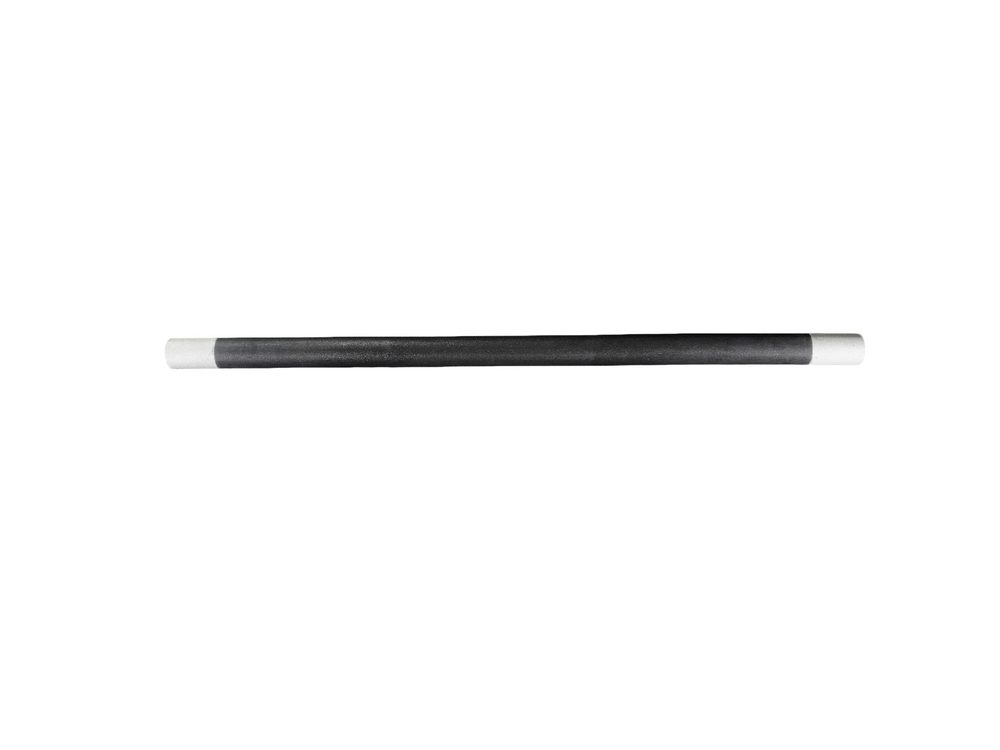
Outer diameter influences mechanical handling, hot-zone area, resistance, and the distance required around the element. Larger rods may provide a different electrical and thermal balance from smaller rods even when the overall length is similar. The diameter should be read with the hot-zone length and the available voltage, not selected by appearance alone. Clearance is part of the selection. The element should not touch the furnace wall, insulation, fixtures, or the heated load during expansion and operation. A clean clearance also helps radiant heat reach the chamber instead of creating a local hot spot at the contact point.
When one ED rod fails, replacing it with a visually similar part can create an electrical mismatch. Record the original outer diameter, hot-zone length, cold-end length, overall length, resistance, installation direction, and terminal position. These details create a replacement specification that another element can be checked against. If the furnace uses a matched set, the replacement should also be compared with the resistance distribution of the remaining rods. A single new element with a different resistance can change current sharing and local heat output. Where the set has already aged substantially, a broader replacement review may be more stable than repeatedly changing isolated rods.
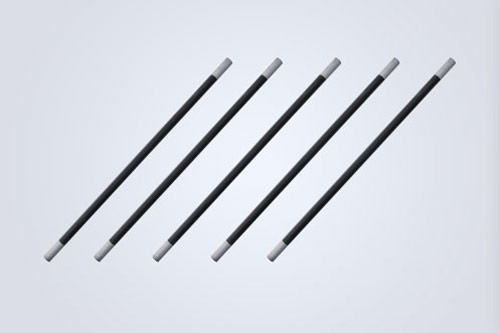
SiC heating elements do not behave like a fixed metal wire throughout a heating cycle. Resistance changes with temperature and can rise during long-term oxidation and aging. The transformer or controller therefore needs enough operating range to maintain the required furnace temperature as the rods change. Before installation, distribute elements by resistance so the furnace does not place a disproportionate electrical load on one rod or one branch. The project specification recommends keeping resistance deviation within a set below plus or minus 5 percent. That check supports more even power distribution and gives the temperature controller a more predictable load.
Silicon carbide heating elements are hard but brittle. Do not strike the rod against the furnace wall, twist it to align a terminal, or use the hot zone as a lever during installation. Prepare the holders, clamps, openings, and lead wires before lifting the element into position so the rod is not left unsupported. The connection should hold the electrical contact securely while allowing the element and surrounding structure to respond to heat. A rigid connection that pulls on the rod can turn a small alignment error into a break during the first cycle.
A new or long-idle furnace should be dried before normal operation. During startup, raise voltage progressively rather than applying full load at once. Watch voltage, current, furnace temperature, and any visible hot-zone abnormality while the element moves toward its working condition. This operating discipline protects the rods from current impulse and helps reveal problems in wiring, resistance distribution, moisture, or clearance before the process load is exposed to an unstable temperature field.
A dependable ED silicon carbide heating element is selected as part of the furnace system, not as an isolated rod. Hot-zone coverage, cold-end position, clearance, resistance distribution, and controlled startup all affect how evenly the furnace heats and how confidently the maintenance team can replace a damaged element.
For a matched ED solution based on your furnace drawing and electrical conditions, contact Songshan.
A: An ED type element is a straight silicon carbide heating rod with a central hot zone and two cold ends. It is suited to furnace layouts that need direct radiant heating across a defined chamber length. Selection should follow the furnace geometry, hot-zone coverage, cold-end access, resistance, and available power control.
A: Check outer diameter, hot-zone length, cold-end length, overall length, resistance, installation direction, and terminal position. Matching only the visible rod length is not enough. The replacement should also be compared with the resistance distribution and aging condition of the remaining elements in the same furnace set.
A: Resistance matching helps distribute electrical power more evenly across the furnace. If one element differs substantially from the others, the circuit can create uneven current sharing and local temperature differences. Keeping the set within the specified resistance deviation makes startup behavior and later replacement decisions more predictable.
A: Songshan provides ED-type SiC elements with specification fields covering diameter, hot-zone length, cold-end length, overall length, and resistance. These details can be related to the furnace drawing and existing electrical system. The selection should also include atmosphere, clearance, installation direction, and the condition of the current element set.
© Henan Zhengzhou Songshan Enterprise Group Co., Ltd