

SiC heating elements work best when the element shape, hot-zone length, voltage range, and furnace chamber geometry are treated as one design problem. A straight rod, U shape, W shape, or spiral element can all produce high-temperature heat, but each layout behaves differently once it is installed around insulation, load space, and electrical connections. For engineers working with ceramic kilns, glass equipment, metallurgy furnaces, and powder metallurgy lines, the practical question is not simply which element is hotter. It is which element fits the furnace without forcing unstable resistance, blocked radiation, or difficult maintenance.
Songshan makes SiC heating elements from silicon carbide for high-temperature electric heating systems where clean radiant heat and stable installation matter. The product range includes ED, DB, U, W, SC, SCR, and UX types, so the selection can follow the furnace rather than forcing the furnace to follow a single rod shape.
A furnace chamber determines more than the visible element position. It controls the available insertion length, distance from the workpiece, wall thickness around the cold ends, and how freely the hot zone can radiate. When these factors are ignored, even a well-made silicon carbide heating rod may age unevenly because one section runs hotter than the rest.
Straight ED rods are often the cleanest choice when the chamber has enough side-wall depth and the process benefits from a direct radiant field. U and W shapes become useful when the furnace needs more active heating length in a compact space or when the wiring layout favors terminals on the same side. Spiral designs, including SC and SCR forms, can help when the chamber calls for a different distribution of heat along the element body.
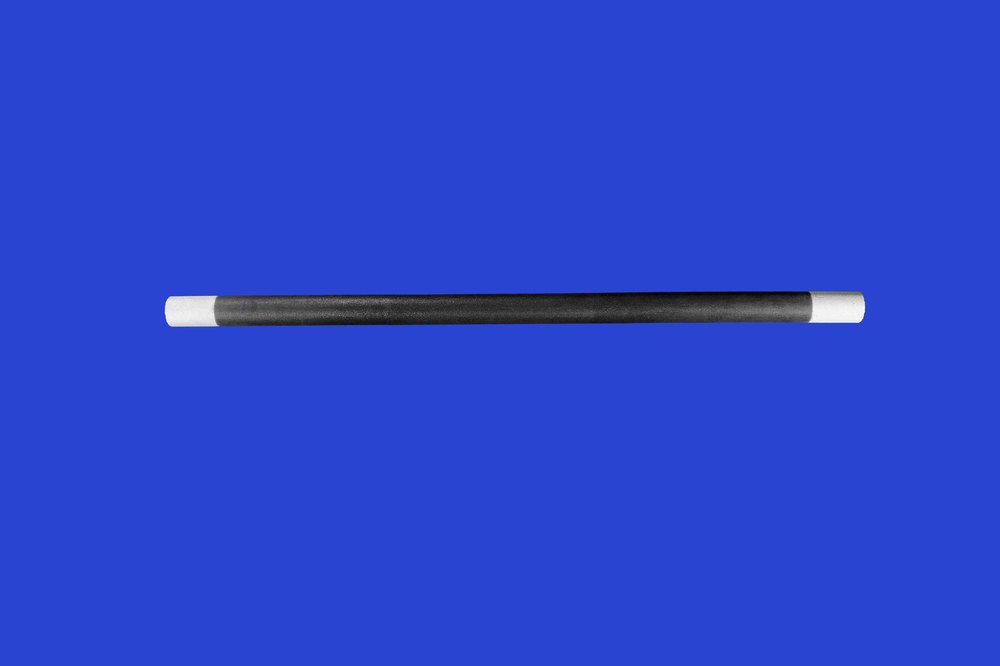
The hot zone should face the useful heating space, not disappear into insulation or sit too close to a fixture. In a silicon carbide rod heater, the central active section provides the heat, while the cold ends are intended for connection and support. If the cold ends run too hot, the furnace body and electrical hardware carry stress they were never meant to absorb.
Good layout keeps the hot zone inside the chamber, gives radiation room to spread, and avoids contact with shelves, sagging insulation, or product loads. This is why dimensions such as outer diameter, hot-zone length, cold-end length, and overall length are not just ordering details. They are the geometry that keeps the element working in the correct thermal region.
An ED rod type can suit long, balanced chambers where the designer can place several rods evenly across the heating space. Songshan ED elements use a central hot zone with two cold ends and are offered with practical voltage and diameter ranges for electric furnace heating elements. The simple form also makes resistance grouping and replacement easier to manage.
U and W shapes are helpful when one-sided access is important or when a furnace needs more heat density without adding extra wall penetrations. The bend geometry can simplify wiring, but it also requires careful spacing so the legs do not overheat each other. In compact kilns, this detail often matters more than the nominal temperature rating.
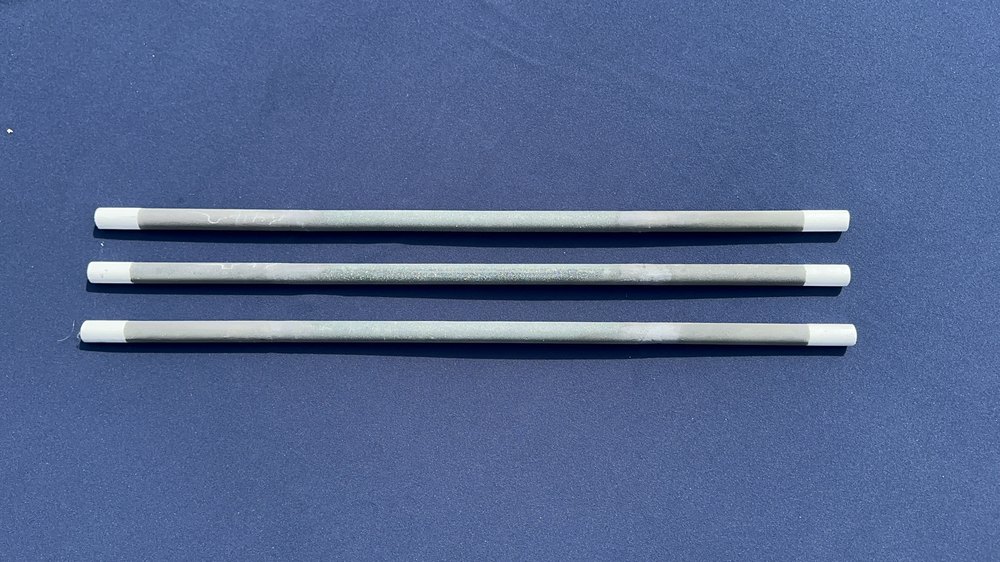
A SiC heater behaves differently from a metal element because resistance changes during operation. Silicon carbide elements have a temperature-dependent resistance curve, and long service gradually increases resistance as oxidation develops on the hot zone. For that reason, voltage reserve and resistance matching are part of furnace stability, not late-stage maintenance work. Songshan SiC products include 110-480V options, and the ED product tube diameters are from 8mm to 65mm.
Before installation, resistance distribution should be done for each set, with resistance deviation kept below +/-5%. This step may sound routine, but it is one of the simplest ways to improve temperature uniformity and prevent one element from becoming the weak point of the zone.
Surface load links power to the heated surface area of the element. A furnace running at a higher chamber temperature normally needs a more conservative surface load because the element has less room to shed heat. When designers push too much power through a limited hot-zone area, local oxidation and resistance growth become easier to trigger.
The better habit is to select the element size and count around the furnace's usable chamber volume, target temperature, atmosphere, and load pattern. In a ceramic kiln with regular cycles, the priority may be even heating and dependable startup. In a glass or metallurgy process, continuous heat stability and access for replacement may carry more weight.
Songshan is most useful in the selection conversation when the furnace already has real constraints: wall thickness, chamber width, desired voltage, element spacing, and process atmosphere. The SiC heating elements cover straight, U, W, and spiral configurations, which gives furnace designers room to match geometry before narrowing the final dimensions.
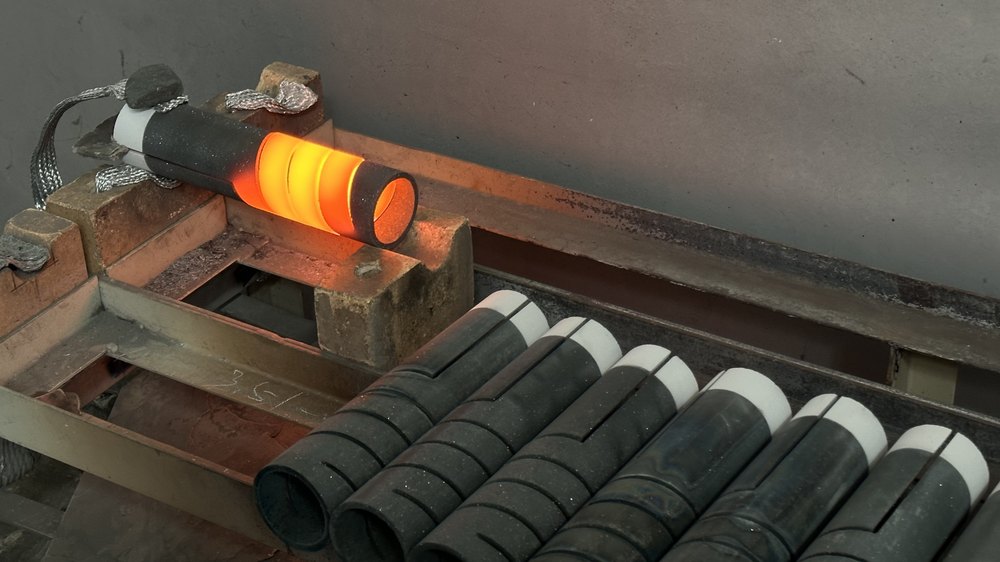
SiC heating elements deliver the most value when they are selected from the furnace outward: geometry first, then hot-zone position, voltage, resistance grouping, and atmosphere. A well-matched element does more than reach temperature; it helps the furnace heat evenly, start more gently, and hold performance with fewer weak points over time.
Explore Songshan SiC heating element options to match element shape and dimensions to the real furnace layout.
A: Start with chamber geometry, target temperature, voltage, and usable wall space. Then match the element shape to the available hot-zone position. ED rods suit direct side-wall layouts, while U, W, SC, SCR, and UX types can help when access, heat density, or chamber shape requires a different configuration.
A: The hot zone is the active heating section, so it should sit inside the useful furnace chamber. If part of it is buried in insulation or placed too close to fixtures, heat distribution becomes uneven. Correct hot-zone length protects both heating performance and nearby furnace hardware.
A: Mixing can create uneven heating if the resistance values are far apart. SiC elements age as resistance increases during service, so replacement pieces should be matched carefully. When several elements in a zone are heavily aged, replacing the full set can be more stable than changing one random piece.
A: Songshan offers several SiC element forms, including ED, DB, U, W, SC, SCR, and UX types. That range lets designers consider chamber layout, wiring access, hot-zone length, and resistance matching together instead of relying on one element shape for every furnace design.
© Henan Zhengzhou Songshan Enterprise Group Co., Ltd