

Silicon nitride-coated SiC heating elements are intended for furnace conditions where nitrogen or another controlled atmosphere can accelerate surface reactions and resistance aging. The coating forms a dense silicon nitride protective film at about 1300 C and is described as reducing nitrogen corrosion above 1400 C. It does not remove the need to control surface load, startup, resistance matching, and gas conditions, but it gives Songshan SiC elements an additional protection strategy for demanding service.
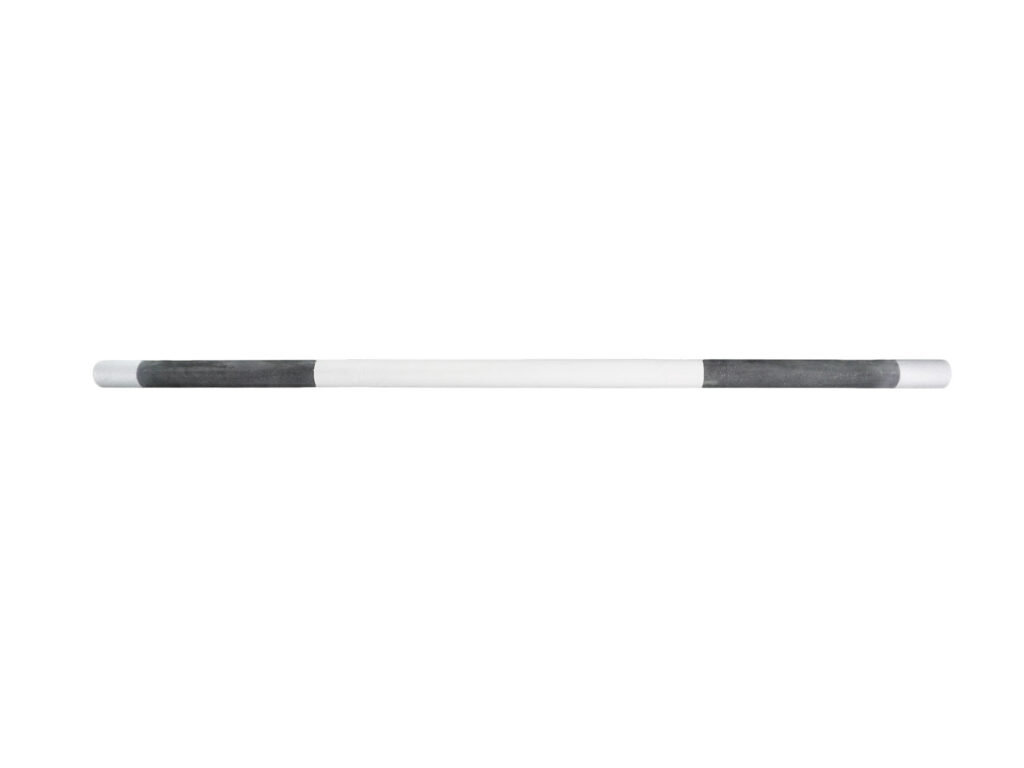
A silicon carbide heating rod is designed to radiate heat from its hot zone into the furnace chamber. That same hot zone is in direct contact with the gases and vapors moving through the process space. Over time, oxidation or chemical attack can change the surface condition and increase electrical resistance. The effect is not identical in every furnace. Nitrogen, hydrogen, water vapor, alkali compounds, halogens, sulfur-containing gases, and volatile material from the charge can interact differently with the element. A selection based only on the name of the furnace atmosphere can miss humidity, gas flow, contamination, and the actual heating cycle.
As SiC elements age, their resistance can rise. If the power supply has no remaining voltage range, the furnace may gradually lose its ability to reach the target temperature even though the rods are still physically intact. The operator may also see differences between rods if local gas exposure or surface load is uneven. Tracking resistance under consistent measurement conditions gives maintenance teams a trend to work with. A sudden change can point to damage, wiring trouble, contamination, or a local hot spot. A gradual change is more consistent with service aging, but it still needs to be evaluated against the furnace temperature and process atmosphere.
Silicon nitride coating is processed under a nitrogen atmosphere and forms a dense, stable silicon nitride film on the element surface at about 1300 C. The film is intended to isolate the SiC substrate from corrosive media and reduce the resistance rise associated with long-term operation. This makes the coating relevant when the atmosphere itself is part of the aging problem. It can help limit the effect of nitrogen and selected harmful substances, including hydrogen and alkaline gases, but the result still depends on the complete process environment. Gas composition, temperature, surface load, and the condition of the furnace lining should be reviewed together.
A protective coating is not a substitute for correct furnace operation. If the hot zone is overloaded, the rod temperature can rise beyond the intended working condition and accelerate damage. If water vapor or volatile material remains trapped in the chamber, the atmosphere can continue to challenge the element even when a protective surface is present. The best use of a silicon nitride-coated silicon carbide heating rod is therefore a combined decision. Confirm the gas environment, select a suitable element geometry, keep the hot zone clear, manage the electrical load, and establish a resistance baseline before the furnace enters routine production.
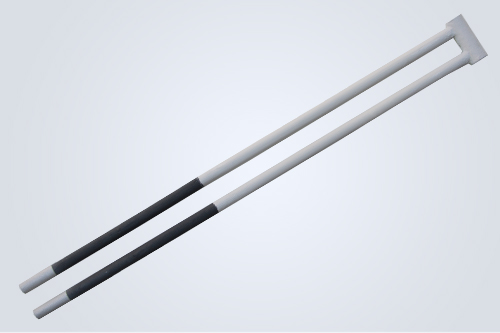
Surface load links furnace power to the active area of the element. A high load can drive the rod temperature upward and increase oxidation or chemical attack. A low load may leave the furnace unable to reach its process temperature or may require an inefficient arrangement of rods. For this reason, coated SiC elements should still be selected based on the furnace size, target temperature, hot-zone area, number of rods, voltage, and current. The coating adds protection, but it does not make an unsuitable load safe.
Before installing a set, distribute the elements by resistance so each branch receives a comparable electrical duty. The project specification recommends keeping resistance deviation within a set below plus or minus 5 percent. This is especially important when the furnace uses several rods in parallel groups or when some elements have already experienced service aging. During operation, the controller may need increasing voltage to compensate for rising resistance. If the transformer reaches its upper limit while the furnace remains below temperature, stop and review the connection method, element condition, and process load rather than forcing more current through the existing arrangement.
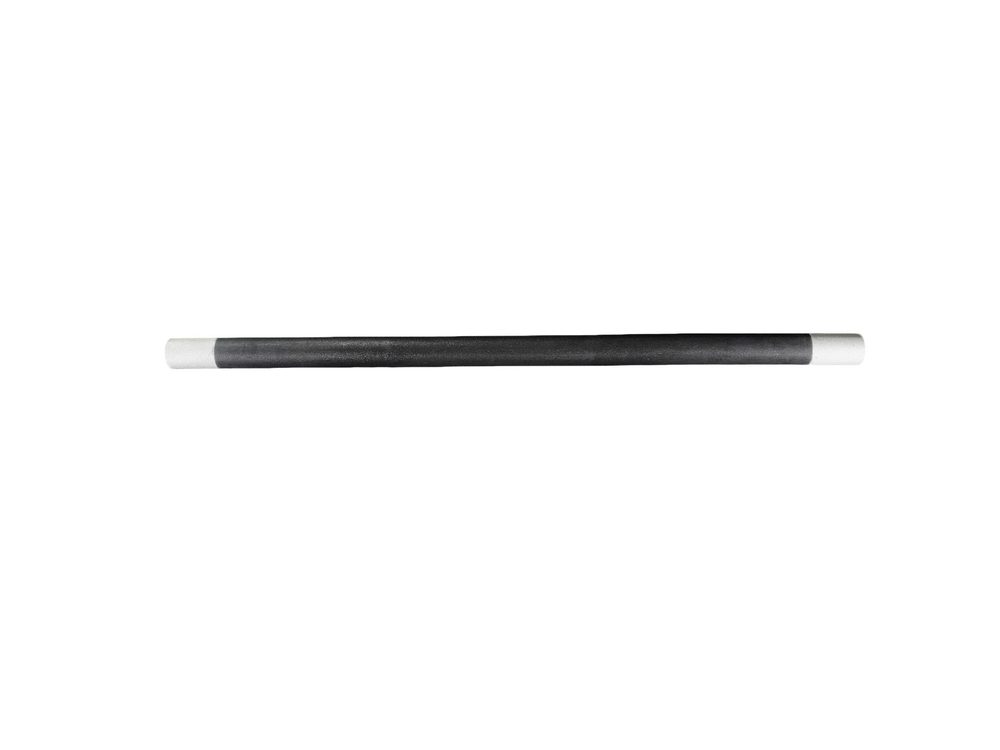
Dry a new furnace or a furnace that has been idle for a long period before normal heating. Bring the voltage up gradually and avoid a full-load impulse on cold, brittle elements. A controlled warm-up also gives the operator time to observe current, temperature response, and unexpected hot spots. If the process releases water vapor or other waste gases, the furnace should provide a way for those gases to escape. Moisture control is part of element protection because a coating cannot compensate for a persistently aggressive chamber condition.
When resistance changes unevenly, inspect the holder, lead wire, clamp, furnace opening, insulation, and charge placement. A rod that appears to be aging quickly may be receiving more radiant reflection, more chemical exposure, or more current than its neighbors. Keep a record of the initial resistance, operating recipe, atmosphere, and inspection observations. This makes it easier to decide whether a single replacement is suitable or whether the complete set has moved into a different operating condition.
Songshan offers a silicon nitride-coated SiC heating element option for high-temperature heating, sintering, and heat treatment in nitrogen and inert atmosphere furnaces.
Silicon nitride-coated SiC heating elements are most valuable when atmosphere-related aging is a real design concern, and the rest of the furnace system is controlled with equal care. Coating, surface load, resistance matching, startup, moisture removal, and inspection work together to protect stable heating.
To discuss a coated SiC configuration for your furnace conditions, contact Songshan.
A: It is a silicon carbide heating element with a silicon nitride-based protective treatment for the hot zone. The coating forms a dense silicon nitride film under nitrogen at about 1300 C and is intended to reduce corrosion and resistance aging in demanding atmosphere furnace applications.
A: They are particularly relevant to nitrogen and inert atmosphere furnaces, where atmosphere-related reactions can affect the SiC surface. The final choice still depends on gas composition, humidity, temperature, surface load, furnace geometry, and whether the coating is suitable for the complete process environment.
A: No. Coating is a protection measure, not a guarantee that resistance will remain unchanged. SiC aging can also be affected by operating temperature, surface load, water vapor, corrosive gases, wiring, and intermittent operation. Resistance should still be recorded and compared over time.
A: Check the furnace atmosphere, gas flow, temperature, moisture, chamber dimensions, hot-zone area, voltage, current, resistance distribution, installation clearance, and replacement plan. These details determine whether a coated element is a practical fit and how it should be operated after installation.
© Henan Zhengzhou Songshan Enterprise Group Co., Ltd