

2026-09-04
A SiC heater usually fails slowly before it fails suddenly. The warning signs are familiar to furnace teams: one zone needs more voltage than before, a rod glows a little differently, or a set that used to heat evenly begins to drift. Atmosphere control is the quiet work behind longer service life, because oxygen, water vapor, alkali, and reducing gases all change how the silicon carbide surface ages.
Songshan SiC heating elements are used in high-temperature electric furnaces where ceramic, glass, metallurgy, and powder metallurgy processes need steady radiant heat. The product range includes ED, U, W, SC, SCR, and UX forms, but the shape alone does not decide service life. The same silicon carbide rod can behave very differently in a dry, well-vented chamber than it does in a furnace that traps vapor around the hot zone.
A silicon carbide heater works in the same air that the process creates. Green bodies dry, binders burn away, glass batches release vapors, and old insulation can hold moisture longer than expected. All of that passes over the hot surface before it reaches the exhaust path.
When the atmosphere is steady, the surface can form a silica layer that slows deeper oxidation. When the atmosphere is wet, alkaline, or reducing, that protection can thin, crack, or react in ways that change the rod's electrical behavior. Two furnaces can use similar SiC heating elements and still see different lifespans simply because the chamber chemistry is not the same.
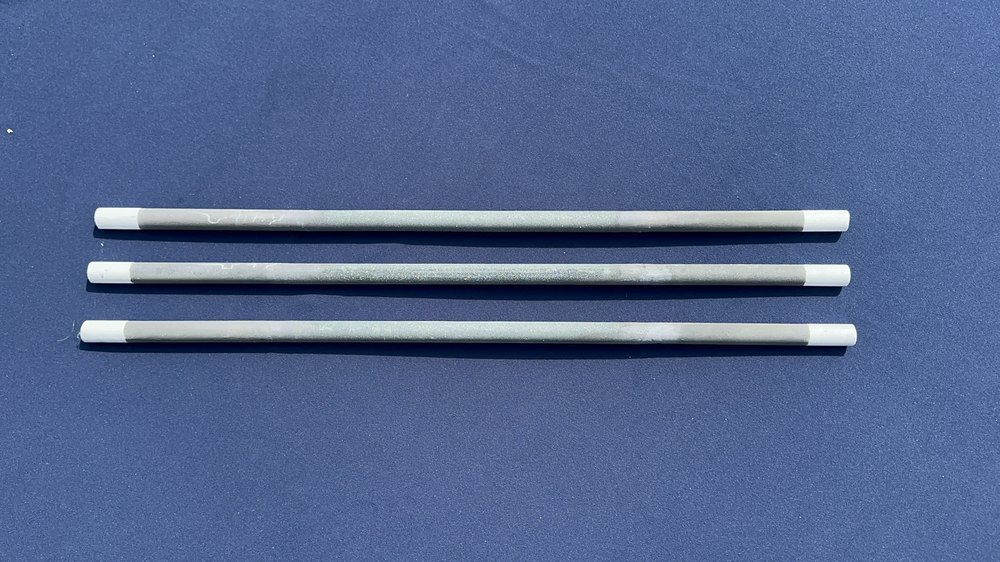
Silicon carbide gradually oxidizes during service and forms silicon dioxide on the hot zone. That layer is useful, but it is not free of consequences. Over time, the element's resistance rises, so the control system must have enough voltage room to keep the same heat output without forcing one zone too hard.
Songshan's ED rod type gives a maximum operating temperature of 1450 degrees C. That limit should be read as a working boundary, not a dare. A furnace can reach its setpoint while a single element is running hotter than its neighbors, and that small imbalance is often where accelerated aging begins.
Resistance growth by itself does not mean the SiC heater is defective. It is part of how silicon carbide elements age in high-temperature service. Trouble starts when the increase is uneven, fast, or tied to one position in the furnace, because that points toward atmosphere, load, support, or electrical matching rather than ordinary wear.
Before a new set is installed, the rods should be sorted by resistance rather than treated as identical pieces. Songshan guidance keeps the resistance deviation among elements of each set below +/-5%. That small bit of discipline helps prevent one silicon carbide rod from carrying more load and aging ahead of the rest of the zone.
Water vapor is easy to blame only after damage appears. It can come from a wet charge, recently repaired refractory, or a furnace that has sat idle and absorbed moisture. Drying a new or long-idle furnace before full operation is therefore a practical operating step, especially when the first heating cycle releases steam from more than one source.
Alkali and alkaline metal oxides need the same respect. At high temperatures they can react with SiC and change the way the element glows. Reducing atmospheres, hydrogen-rich gas, sulfur, and halogens are also difficult neighbors for the protective surface chemistry, so exhaust and venting are part of element care, not just furnace housekeeping.
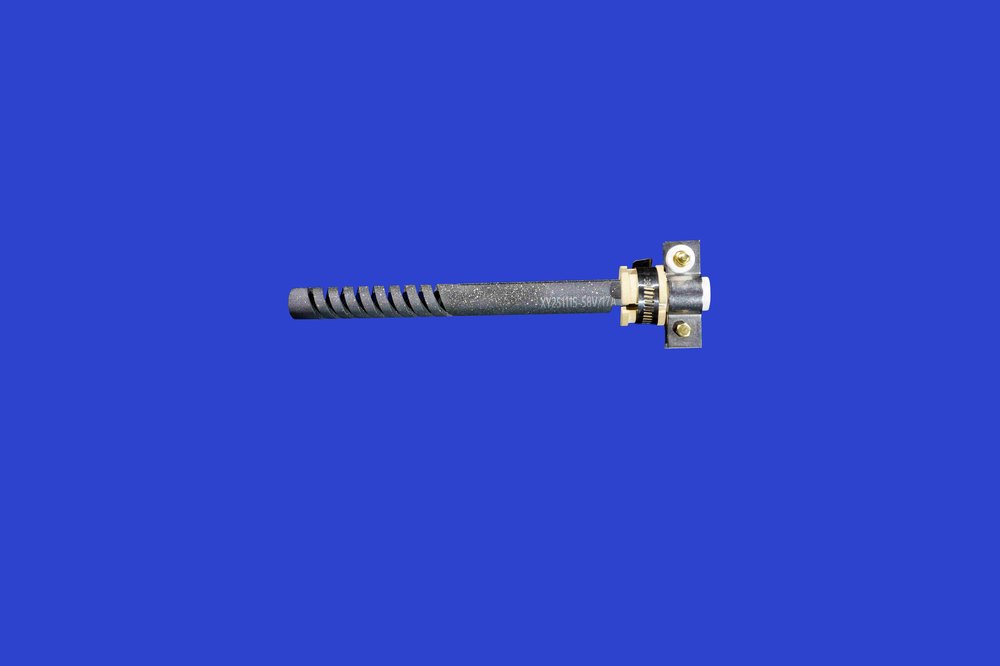
A cold furnace should not be pushed to full load just because the controller allows it. Slow voltage increase gives the element, insulation, and charge time to warm without a sharp electrical or thermal shock. Operators often notice the benefit most after shutdowns, seasonal pauses, or maintenance work, when the furnace is technically ready but still not dry or thermally settled.
After maintenance, the same patience pays off. A replacement element is part of a set, not a separate spare dropped into an empty slot. Its resistance should make sense beside the older rods, its hot zone should sit in the right place, and the connection hardware should stay away from unnecessary heat.
A damaged SiC heater is not always the root problem. If breaks keep appearing in the same position, look at the furnace around the rod: tight support, poor expansion space, local contact, uneven gas flow, or a blocked radiation path can all create a repeat failure. Changing the rod alone may only restart the same pattern.
Storage deserves a mention too. Silicon carbide rods are hard and heat-resistant in service, yet still brittle during handling. Keeping them dry, separated, and away from corrosive materials prevents avoidable damage before the furnace ever gets warm.
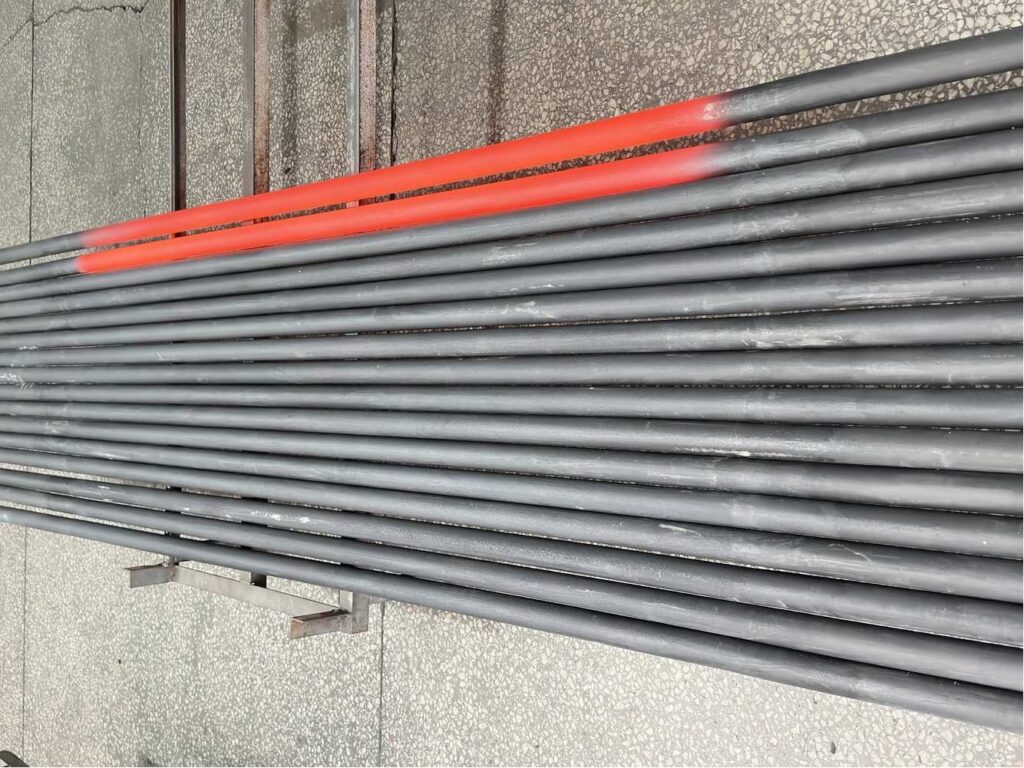
A SiC heater is most reliable when the furnace treats atmosphere, electrical load, and maintenance rhythm as one system. Protecting silicon carbide rods from aggressive vapor, alkali, abrupt startup, and mismatched resistance helps the heating zone stay calmer over time.
Explore Songshan SiC heater options to align element form, furnace atmosphere, and operating habits before the next heating zone is finalized.
A: A clean, controlled furnace atmosphere is easier on a SiC heater than wet, alkaline, reducing, sulfur-containing, or halogen-rich conditions. The best atmosphere depends on the process material, binder release, exhaust path, and working temperature. Stable venting often matters as much as the gas label.
A: Resistance rises because silicon carbide changes at the hot surface during high-temperature service. Some increase is normal, especially after long use. Rapid or uneven growth is different; it can point to a wet atmosphere, excessive surface load, harsh gases, abrupt startup, or poor matching within the element set.
A: Start the furnace gradually, dry new or idle chambers before full operation, and keep resistance values matched within each heating zone. Also watch for moisture release, alkali exposure, and poor support around the rod. Careful handling matters because silicon carbide elements can be brittle before they are installed.
A: Replacing one element can work when the rest of the set is still healthy, and the new rod can be resistance-matched properly. If several rods are heavily aged, or the zone no longer heats evenly, changing the full set usually gives the controller a more stable starting point.
© Henan Zhengzhou Songshan Enterprise Group Co., Ltd