

2026-08-20
A MoSi2 heating element is usually the better choice for very high-temperature oxidizing furnaces, while SiC heating elements often make more sense for robust industrial heat zones that need wider geometry options and planned replacement. The right choice depends on maximum furnace temperature, atmosphere, element shape, mounting direction, control method, and how the furnace is maintained over time.
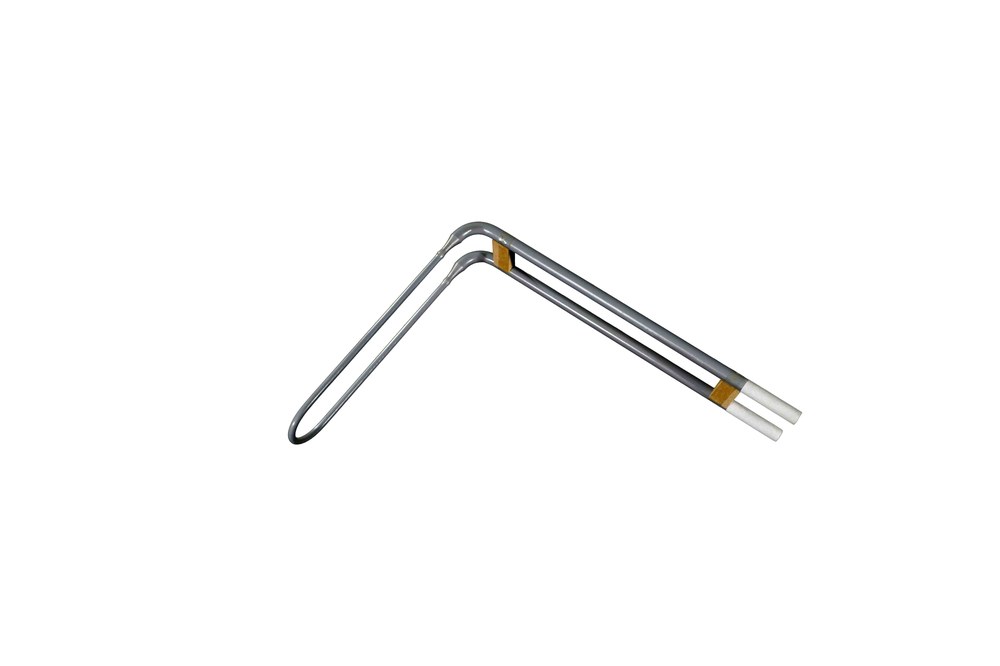
MoSi2 is short for molybdenum disilicide, a material used for high-temperature electric heating elements. In an oxidizing atmosphere, the surface forms a compact SiO2 protective film that slows further oxidation and allows the element to perform in severe heat.
This surface behavior is one of the major reasons a MoSi2 heater is selected for laboratory furnaces, sintering systems, heat treatment equipment, and other high-temperature processes. The protective film is useful, but it is not magic; atmosphere, cycling, mounting stress, and temperature range still determine service life.
MoSi2 elements are brittle at normal temperature and become more plastic at high temperature. For U-shaped elements, vertical hanging from the furnace roof is commonly preferred so the weight is supported correctly and mechanical stress is not pushed into the hot zone.
The Songshan MoSi2 heating elements range includes shapes such as U, W, L, round, spiral, and M type elements for different furnace layouts.
If the furnace operates beyond the comfortable range of standard SiC designs and the atmosphere is oxidizing, MoSi2 is often the stronger candidate. It is widely associated with high-temperature sintering, heat treatment, glass melting and refining, testing equipment, and laboratory furnaces where clean, intense heat is central to the process.
MoSi2 also has relatively stable resistance under normal operating conditions, so old and new elements can often be used together more easily than with aging-sensitive SiC systems. That can simplify maintenance planning when the furnace design already suits vertical hanging and the atmosphere supports the protective silica film.
A MoSi2 heating element is attractive in high-temperature ceramics, powder sintering, materials testing, and controlled thermal processing. These furnaces typically value a compact heat zone, high chamber temperature, and a predictable relationship between element placement and radiant heating.
The tradeoff is mechanical care. MoSi2 should not be treated like a rugged metal rod during installation, and it should not be forced into a layout that restricts thermal expansion or places unnecessary stress on the hot end.
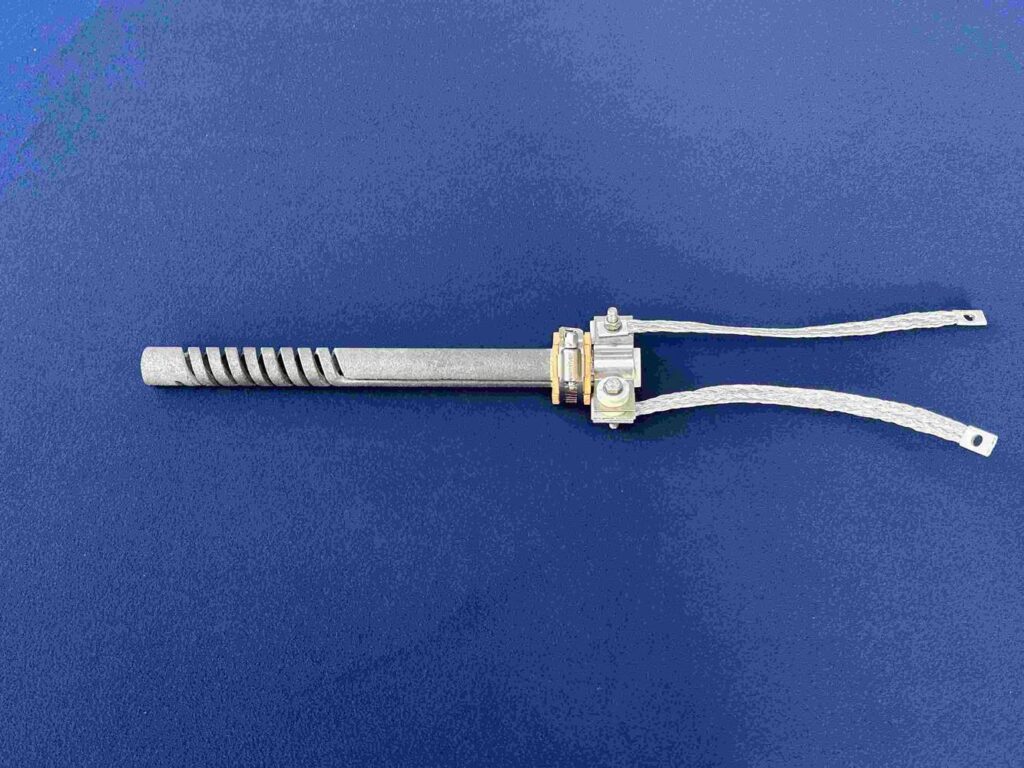
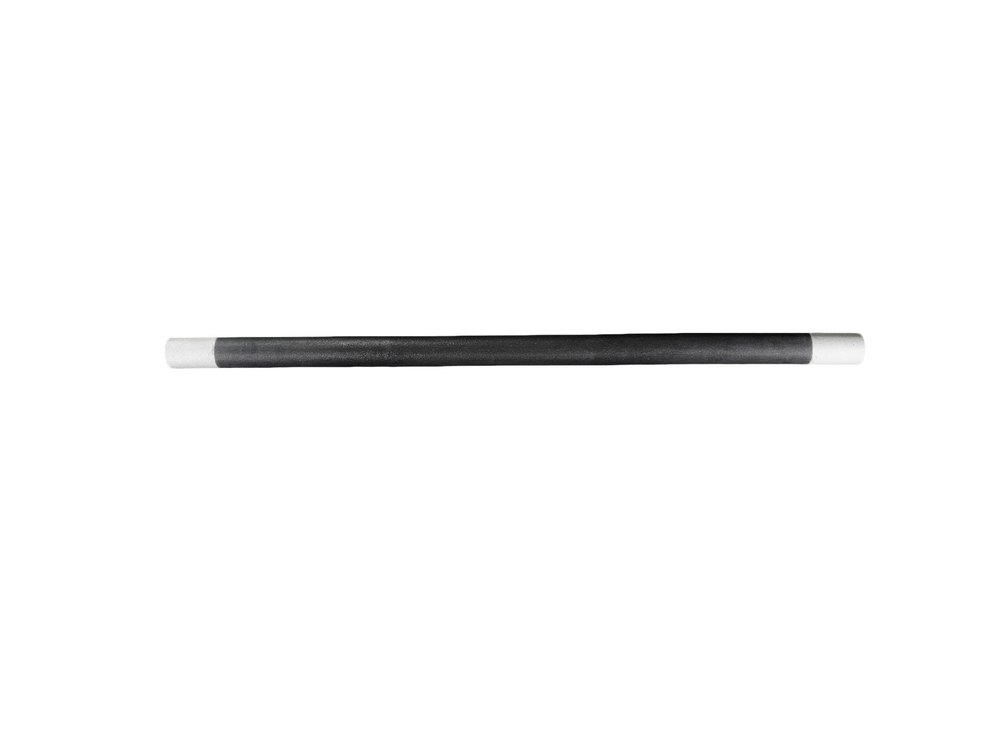
SiC heating elements have a practical advantage when the furnace design needs several geometry options. Songshan products include rod, dumbbell, U, W, single spiral, double spiral, and slot forms, which can fit many chamber structures without redesigning the furnace around a single element shape.
A SiC element can be a better match for side-wall insertion, compact spiral zones, and maintenance-heavy production furnaces. When the temperature requirement sits inside the SiC range, and the atmosphere is known, the material can deliver a strong balance of heat output, serviceability, and design flexibility.
The key difference is that SiC resistance rises gradually during long-term operation as oxidation changes the element structure. This does not make SiC unsuitable; it means the furnace should use suitable voltage control and maintenance records so the team knows when to adjust wiring, increase voltage, or replace a set.
In production lines where operators already track current, voltage, furnace temperature, and element age, SiC can be managed effectively. The material rewards a disciplined maintenance routine rather than a one-time selection based only on maximum temperature.
MoSi2 performs best when its protective silica film can form and stay stable. Reducing atmospheres, corrosive vapors, and long exposure to unfavorable temperature ranges can interfere with that protection, so the furnace atmosphere must be considered before choosing the element.
SiC also reacts differently under ammonia, carbon dioxide, hydrogen, hydrocarbons, halogens, sulfur dioxide, alkali compounds, and water vapor. The selection question is not simply MoSi2 versus SiC; it is whether the material's protective behavior matches the chemical reality inside the chamber.
MoSi2 is often installed by vertical hanging, especially for U-shaped elements, so the holder and connecting straps support the element without loading the hot zone. SiC systems place more emphasis on resistance matching, controlled startup, transformer or SCR capacity, and replacement with elements of corresponding resistance.
Both materials need enough room for radiation and expansion. Crowded elements, blocked heat flow, poor terminal cooling, or unstable electrical control can shorten service life even when the material itself is correctly selected.
The best heating element is the one that fits the furnace's real temperature, atmosphere, structure, and maintenance rhythm. A MoSi2 heating element is compelling for very high-temperature oxidizing work, while SiC heating elements remain highly practical for industrial furnaces needing flexible shapes and manageable replacement planning.
Songshan supports both material paths, so engineers can choose by process need rather than by material name alone.
Contact us to align the element with your furnace conditions.
A: No. MoSi2 is usually preferred for very high-temperature oxidizing furnaces, but SiC can be a better fit when the application needs broader shape options, easier replacement planning, or a temperature range that stays within SiC capability. Atmosphere, mounting, and control hardware matter as much as material name.
A: A mosi2 heater depends on a stable SiO2 protective film in oxidizing conditions. Reducing atmospheres, corrosive vapors, and long exposure to unfavorable temperature ranges can damage that protection. Before selecting the element, confirm the furnace gases, temperature cycle, process material, and whether the chamber supports proper ventilation and element spacing.
A: They should not be mixed casually. The two materials have different resistance behavior, mounting needs, atmosphere response, and control requirements. A furnace can be engineered around different heat zones, but each zone should be designed with suitable power control, element spacing, terminal protection, and replacement rules.
A: Start with working temperature, maximum temperature, atmosphere, furnace chamber size, element mounting direction, hot-zone length, available terminal space, target uniformity, and existing power control. Songshan's product forms can then be matched to the furnace layout, instead of choosing only from a material label or a general temperature number.
© Henan Zhengzhou Songshan Enterprise Group Co., Ltd