

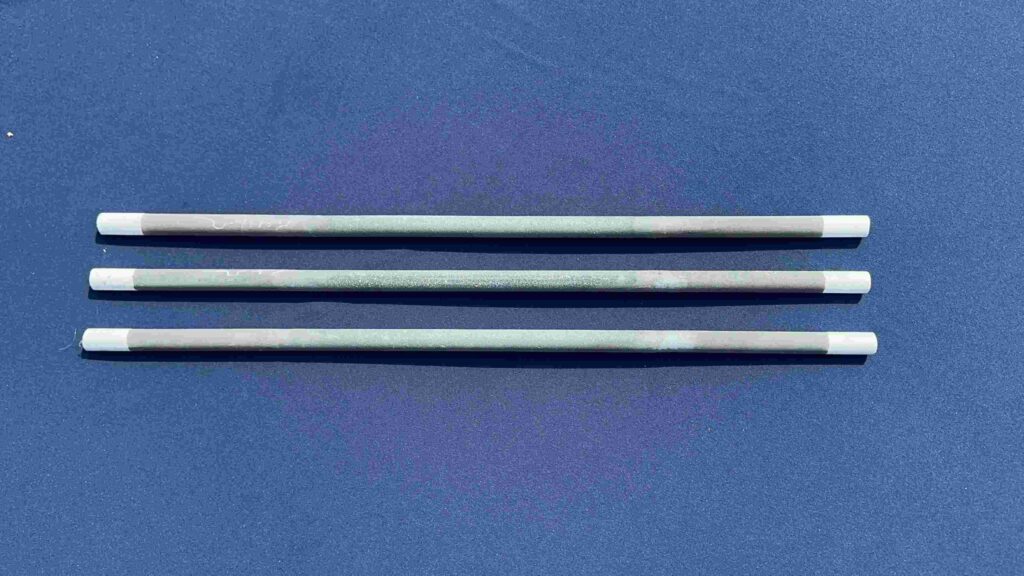
Maintaining peak efficiency in high-temperature industrial environments requires more than just high-quality hardware; it demands a sophisticated understanding of material degradation. Industrial furnaces used in ceramics, glass, and metallurgy rely heavily on the silicon carbide heating element to provide consistent thermal energy at temperatures reaching up to 1500°C. However, as these components operate, they undergo a natural process known as aging, which manifests primarily as a gradual increase in silicon carbide heating element resistance. Accurate monitoring of this aging process is the difference between planned maintenance and catastrophic furnace failure.
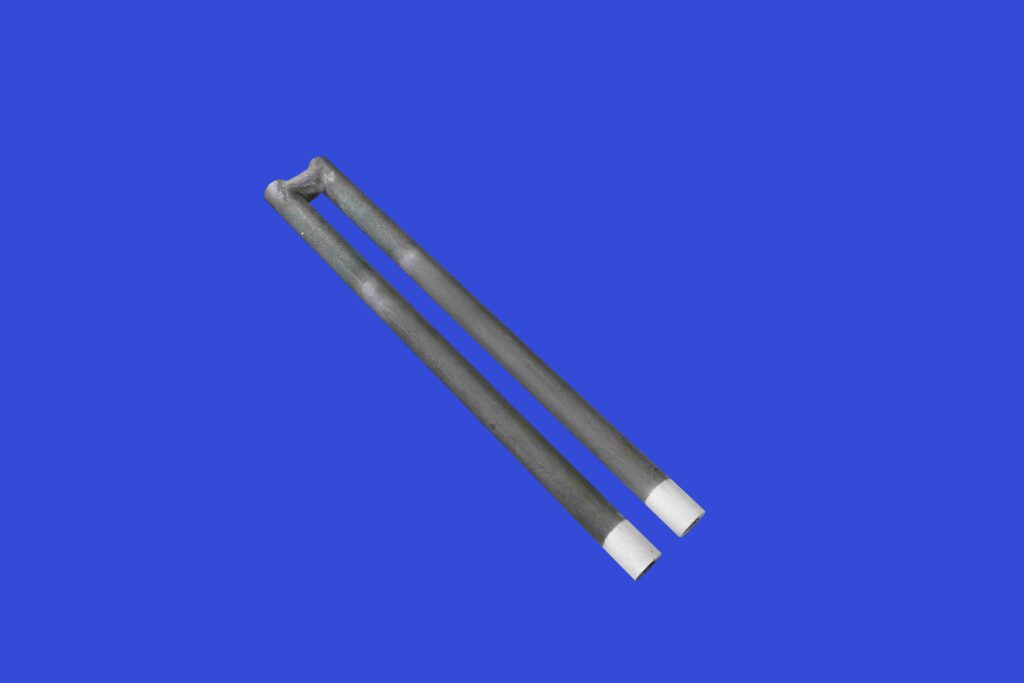
Aging is not merely a sign of wear but a complex chemical transformation occurring on the surface of the SIC heating element. When these non-metallic components are exposed to high temperatures in an oxidizing atmosphere, the silicon carbide reacts with oxygen to form a protective layer.
A quartz (SiO2) protective film that is compact in nature starts developing at the surface of the hot zone in a range of temperatures from 1000°C to 1300°C. The development of this film is essential because it prevents further oxidation of this element. But as time passes with the increasing number of operating hours, this film becomes thicker, and the thickening of this film causes a reduction in the area available for conducting current through it. As a result, the resistance of the silicon carbide heating element increases.
Longevity of a silicon carbide heater relies only on the temperature envelope around the element itself. Although the SiO2 layer remains stable until the temperature reaches 1500°C, once it exceeds 1627°C, this film gets damaged. After this point, the oxidation rate becomes extremely high, aging the element prematurely and leading to its failure. According to technical data from Songshan, maintaining temperatures below the recommended range is the main approach to regulating the growth rate of resistance.
Tracking aging is only half of the challenge; the other half is compensating for it. As the silicon carbide heating element resistance increases, higher voltage is required to maintain the same power output.
In order to take care of the changing requirements of the aging silicon carbide heating elements, the industrial furnaces need to have variable transformers or Silicon Controlled Rectifiers (SCRs). This helps in increasing the amount of voltage in accordance with the increase in resistance due to aging. Failure to do so would lead to a decrease in the temperature of the furnace.
Every power system has a design limit. When the voltage required to maintain the furnace temperature reaches the top limit of the transformer or SCR controller, the elements are considered fully aged. At this stage, even if the elements are still intact, they can no longer fulfill the thermal requirements of the process and must be replaced to restore furnace productivity.

While thermal oxidation is the primary cause of aging, the chemical environment inside the furnace can significantly shorten the lifespan of a SIC heating element.
Various gases react with the SiC material or the SiO2 protective film:
Songshan has pioneered manufacturing techniques specifically designed to mitigate the effects of aging and improve energy efficiency.
A major innovation in the Songshan Silca line is the specialized cold-end production process. With the optimized resistance ratio of the hot zone to the cold end, Songshan makes sure that heat is created where it is required – in the furnace. Heat will not go into the cold end because its resistance will be reduced, thereby avoiding damage to the furnace.
To proactively combat the aging phenomenon, Songshan applies a special protective coating to the surface of the hot zone during production. This coating enhances the antioxidant properties of the silicon carbide heating element, slowing down the rate of resistance increase and significantly lengthening the service life compared to untreated elements.
Even with perfect monitoring, replacement is inevitable. How this is handled determines the temperature uniformity of the furnace.
When installing new elements, resistance matching is mandatory. The resistance tolerance for the silicon carbide heater resistance within each group should not exceed ±5%. The use of heaters with very high resistance differences in one set will lead to an unequal load distribution, thus resulting in hot spots.
If a single SIC heating element is damaged early in its life, it should be replaced with a proper one whose resistance corresponds to that of the old one. However, if the elements are much damaged or the resistance increases too much, it is better to replace all the elements with new ones. Replaced elements with remaining life should be marked with their measured resistance and distributed in low-temperature areas.
Accurate monitoring of silicon carbide heating element aging is an essential discipline for modern thermal processing. By understanding the non-linear nature of silicon carbide heating element resistance, managing surface loads, and utilizing advanced components like those produced by Songshan, industrial operators can ensure maximum furnace uptime and energy efficiency. The combination of SCR control technology and high-purity materials provides the stability required for today's demanding high-temperature applications.
For expert technical guidance and high-performance heating solutions, contact Songshan to optimize your furnace operations.
A: Regular monitoring is recommended during every maintenance cycle. Tracking the silicon carbide heating element resistance allows operators to map the aging curve and plan replacements before failure occurs.
A: It is not recommended to use a new heating element at random with old ones. Songshan guidelines state that the silicon carbide heating element resistance deviation should be within ±5% to ensure uniform temperature and charge.
A: This is a natural physical property of the material. The silicon carbide heating element resistance is negative from room temperature up to 800°C before turning positive. This requires starting the furnace with slowly increasing voltage.
A: When the temperature is above 1627°C, the SiO2 layer will suffer damage, and oxidation will be faster, causing failure of the silicon carbide heater sooner than expected.
A: Water vapor interacts with SiC in the temperature range of 1090°C to 1370°C, forming hydrates of silicon; this interaction may greatly facilitate aging and increase the resistivity of the silicon carbide heating element.
© Henan Zhengzhou Songshan Enterprise Group Co., Ltd