

In the tough field of industrial thermal processing, facility managers and engineers deal with ongoing issues: regular stoppages from element breakdowns, climbing energy expenses because of poor heat transfer, and the slow decline in heating output called "aging". If a high-temperature furnace does not function well, it does not just waste power; it also affects the quality of the products and the entire supply chain. These problems, such as the unreliable lifespan and the high cost of replacements, require more than just ordinary parts; they require creative and durable materials.
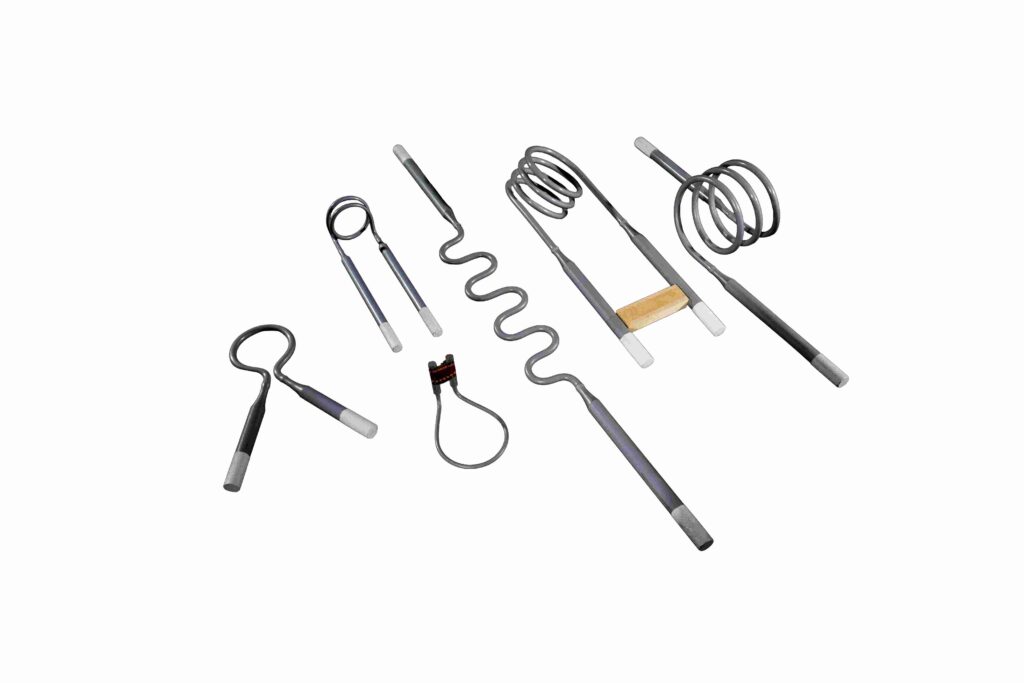
Songshan tackles these vital industrial demands with more than 40 years of focused research and development. As a top global maker of high-temperature heating elements, Songshan offers the technical know-how and top-notch production needed to fix tricky thermal challenges. Located in China, we run the biggest local production site for these key parts, so our partners around the world get the most modern and dependable heating options on offer.
Silicon carbide elements form the core of medium-to-high temperature industrial kilns, yet their output often suffers from oxidation and rising resistance. Songshan has developed new manufacturing methods to ease these problems, emphasizing the High-efficiency features of silicon carbide heaters for lasting steadiness.
The main technical obstacle for SiC elements is "aging"—the way SiC grains combine with oxygen to build a SiO₂ layer, which slowly boosts electrical resistance. Once resistance hits four times its starting level, the element usually counts as finished.
To address this, Songshan employs very pure green hexagonal silicon carbide (purity ≥ 98.5%) and a 2200°C recrystallization sintering method that forms a strong, dense structure. Moreover, our Songshan Silca heating elements include a unique cold-end making process. This advance keeps a better balance between the resistance in the hot zone and the cold end, which saves power and stops the cold ends from getting too hot and harming the furnace structure. By using unique protective layers made of tough materials such as molybdenum disilicide and silicon nitride, we can lengthen the life of these elements by over 1.5 times when compared to those without coatings.
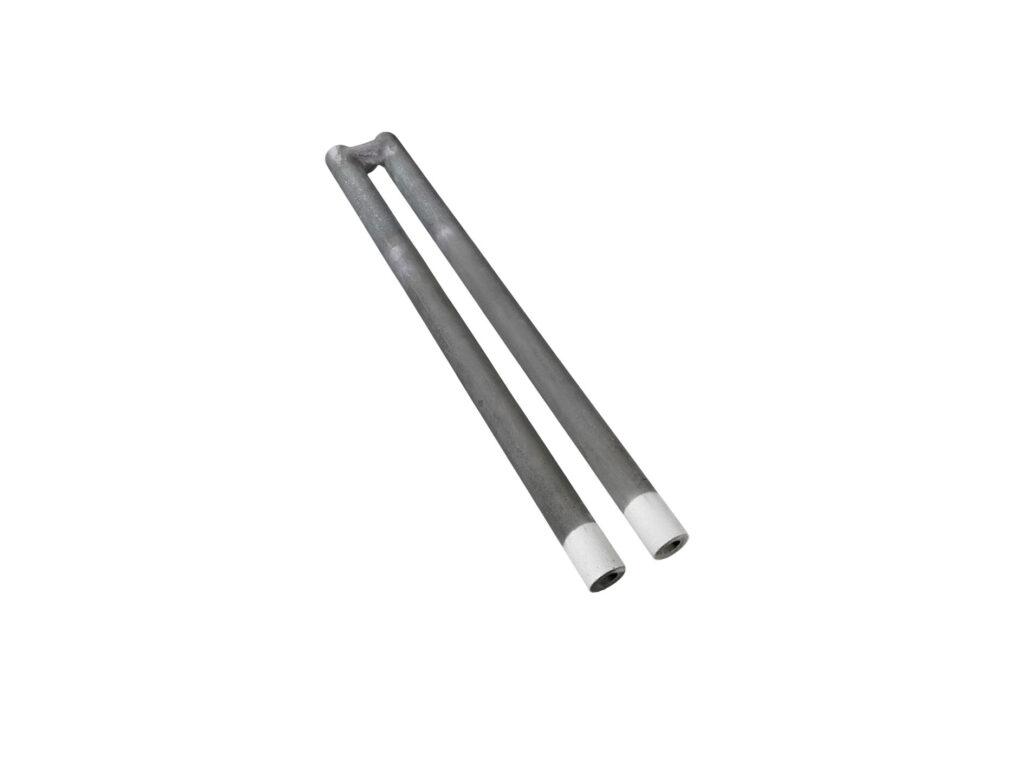
The flexibility of our SiC items makes them vital in many areas. Common High-temperature SiC heating element applications cover:
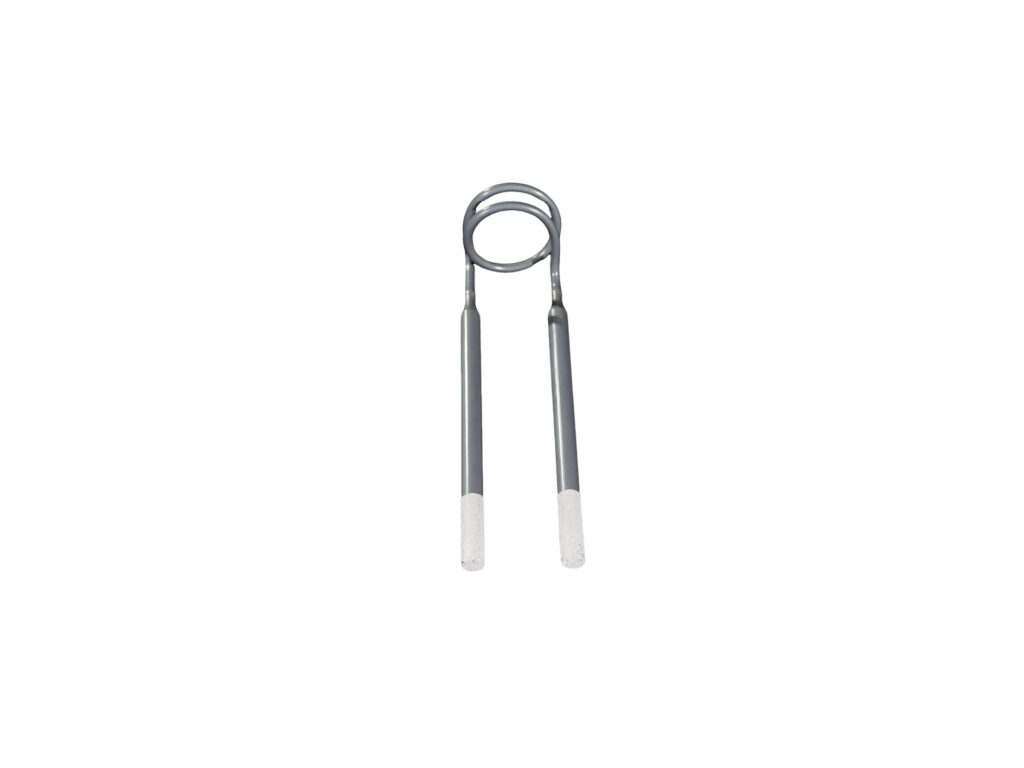
We supply different forms to fit particular furnace designs, such as the ED (Rod) type, U-type, and the SCR (Double Spiral) type, which works well for precise lab and atmosphere furnaces.
When job temperatures go beyond 1500°C, silicon carbide hits its boundary, and molybdenum disilicide (MoSi₂) turns essential. Songshan’s MoSi₂ elements suit the harshest settings, hitting temperatures up to 1800°C in oxidizing conditions.
A key trouble for MoSi₂ users is "pesting"—the crumbling of the element when run between 400°C and 700°C. In these ranges, a shielding SiO₂ layer fails to develop, so oxygen seeps into grain edges and breaks the material apart.
Songshan counters this with extremely pure starting materials (>99%) and better sintering that speeds up the growth of a "self-healing" quartz glass layer. In Molybdenum disilicide heating element applications, our Songshan Super MS18 grade elements gain preference for lab furnaces and high-temperature production sintering, since they endure quick temperature shifts and fight chemical breakdown in oxidizing setups.
Another frequent issue in MoSi₂ elements is surface "bubbling," which often stems from partial sintering or iron contaminants. These bubbles break the shielding layer and cause spot overheating. Through careful control of the Fe₂O₃ amount in our binders, along with an exact sintering and joining method for the hot and cold parts, Songshan makes sure that our MoSi₂ rods stay even and tough even after thousands of hours in use.
Songshan offers more than just items; we deliver full thermal fixes. Our technical staff helps clients figure out total power requirements, create circuit layouts, and pick the best wiring approaches such as series-parallel setups to guarantee even furnace temperatures and even loads.
Real-World Reliability: Our standing for quality rests on worldwide ties. For example, in 2023, business allies from India came to our production site to check our lines for both SiC and MoSi₂ elements, which sparked ongoing teamwork in premium metallurgical uses. Our items now earn trust in over 40 nations, including the USA, Germany, Japan, and Sweden, showing our role as a major high-tech firm in China.
Selecting the proper heating element involves weighing temperature needs, atmosphere fit, and ongoing cost savings. Whether you seek the High-efficiency features of silicon carbide heaters for a major ceramic kiln or require tailored Molybdenum disilicide heating element applications for very high temperature studies, Songshan brings the fresh ideas and excellence your site needs to cut stoppages and boost output.
Contact Songshan today to improve your thermal operations.
A: SiC elements typically operate up to 1450°C, though special models reach 1600°C. MoSi₂ elements can reach 1700°C to 1800°C in oxidizing atmospheres.
A: We use high-purity green SiC and a 2200°C recrystallization process, combined with special anti-oxidant coatings that can extend service life by 1.5 times.
A: Yes. Because the resistance of MoSi₂ elements does not change significantly with time (unlike SiC), new and old elements can be mixed in the same circuit.
A: MoSi₂ is a brittle ceramic material at room temperature. Breakage is usually caused by mechanical impact or overly tight clamps that restrict thermal expansion.
A: As SiC elements age and their resistance increases, a transformer is needed to boost the voltage to maintain constant heating power.
© Henan Zhengzhou Songshan Enterprise Group Co., Ltd