

2026-11-06
A silicon carbide heating element lasts longer when its surface load is matched to furnace temperature, atmosphere, geometry, and electrical control. A rod selected only by length or maximum temperature can age quickly, develop uneven resistance, or deliver unstable heat. For industrial users, surface load is the practical link between the furnace recipe and the element's real operating condition. For current configurations, compare Songshan SiC heating elements with the furnace drawing before final selection.
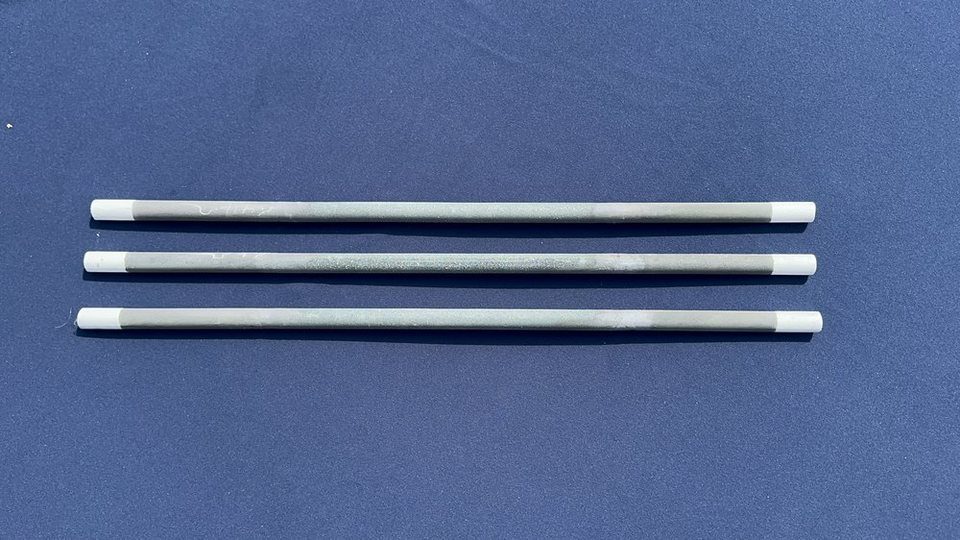
Surface load describes the heating power applied to a unit area of the element hot zone. It affects the temperature of the rod, the rate of oxidation, and the amount of electrical demand placed on the circuit. The same silicon carbide heating element can behave differently in a lightly loaded laboratory furnace and in a production furnace with a dense charge, limited insulation, or frequent door opening.
A furnace controller may display a stable chamber temperature while the rod surface is operating at a much higher temperature. That difference matters because oxidation and resistance aging are driven by the element condition, not only by the setpoint shown on the control panel. The design should therefore consider the hot-zone area, available power, furnace heat loss, and the distance between the element and the load.
SiC elements gradually oxidize during service, and the protective surface layer becomes part of the resistance-aging process. As resistance rises, the original voltage may produce less power than the furnace needs. If the circuit cannot compensate within a suitable range, the furnace may heat slowly, lose uniformity, or require an early replacement.
Songshan technical material gives reference surface-load values for several furnace temperatures. For example, the recommended load is below 17 W/cm2 at 1100°C, below 13 W/cm2 at 1200°C, below 9 W/cm2 at 1300°C, below 7 W/cm2 at 1350°C, below 5 W/cm2 at 1400°C, and below 4 W/cm2 at 1450°C. These values are design references rather than a substitute for checking the complete furnace system.
Air is not the only condition that affects a silicon carbide heating rod. Water vapor, hydrogen, nitrogen, halogens, sulfur compounds, alkali materials, and vapors released from the charge can attack or alter the protective surface. The atmosphere should be described by composition, temperature, humidity, flow, pressure, and exposure time before a silicon carbide rod heater is approved.
A controlled atmosphere furnace may need a different protection strategy from an air-fired kiln. In some applications, a coating or quartz protection method may be considered, but the suitability depends on the gas and the operating temperature. Do not transfer an air-atmosphere rating to a reactive process without reviewing the actual chemistry.
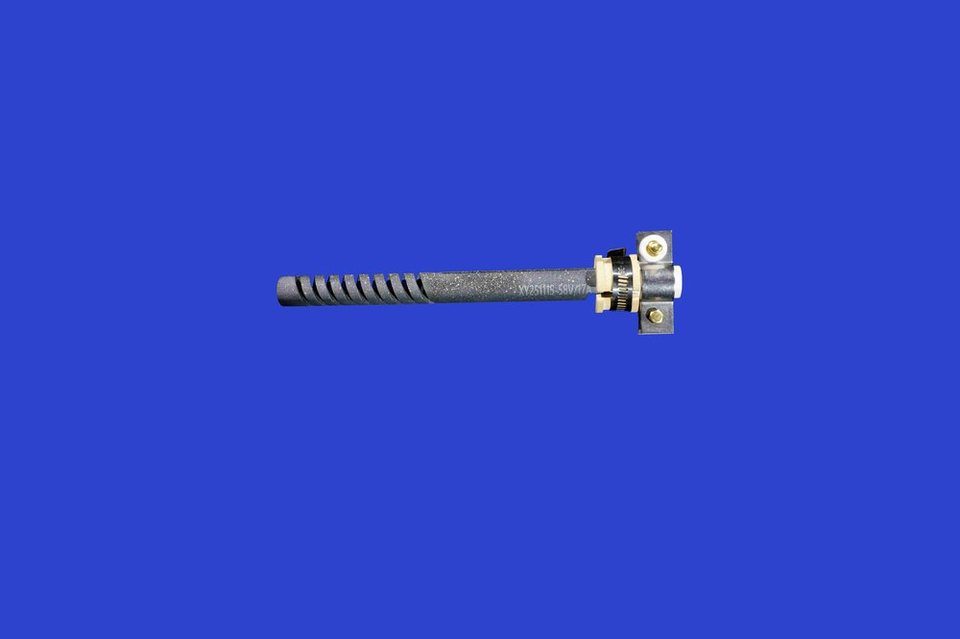
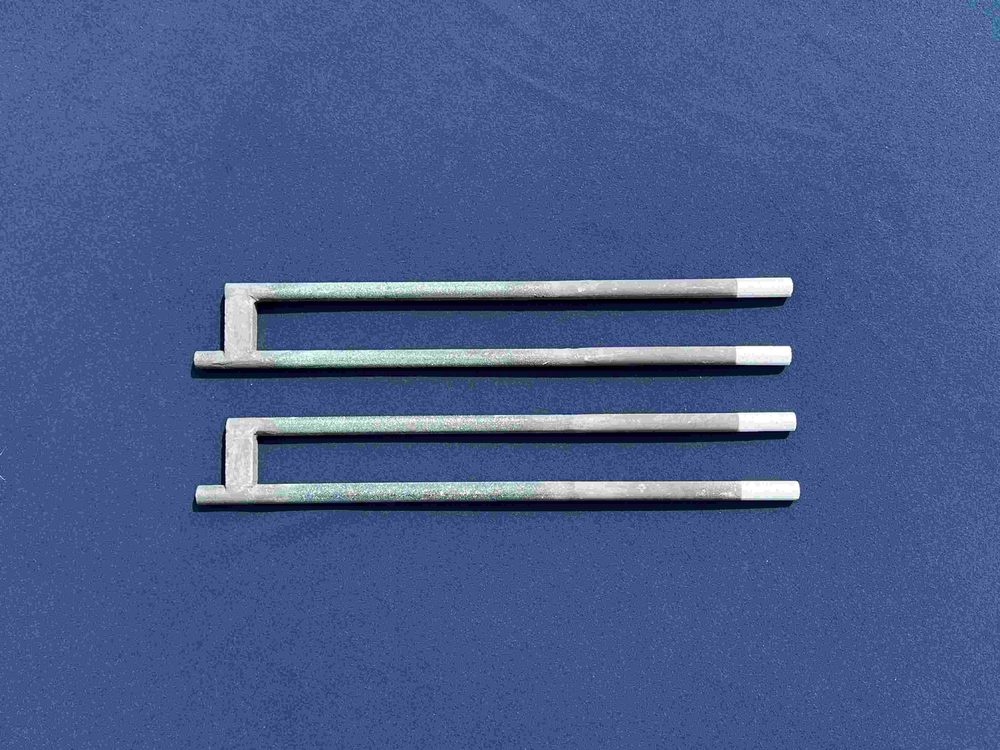
The element diameter, hot-zone length, number of rods, and position inside the chamber determine how much active heating surface is available. A long ED rod may cover a continuous zone, while U or W configurations can distribute heat around a wider section of the furnace. The element-to-wall distance and the clearance from the heated material also affect radiation and local hot spots.
For a new installation, calculate the furnace power requirement first, then compare it with the power available from each element at the planned surface load. For a replacement, record the installed dimensions, resistance, circuit arrangement, and furnace position before removing the old rod. This prevents a mechanically similar part from being treated as an electrically equivalent replacement.
Resistance distribution helps keep the furnace temperature and charge more uniform. The project material recommends keeping the resistance deviation among elements in one set below plus or minus 5 percent. The exact acceptance point should still be tied to the element specification and the furnace circuit, especially when rods are connected in series or series-parallel groups.
Resistance should be interpreted together with temperature and measurement conditions. Record the instrument, connection points, element position, and operating state so later readings can be compared properly. A single unusual reading may come from a terminal, connection, moisture, contamination, or local overheating rather than from a failed rod alone.
SiC elements are hard but brittle, so impact during handling can create damage that appears only after heating. Install the element without forced alignment, keep the hot zone clear of the furnace wall and charge, and protect the cold ends from unnecessary heat. During startup, increase voltage gradually instead of applying full load at once.
A new furnace or a furnace that has been idle for a long period should be dried before normal operation. When the furnace contains water or volatile material, provide a way for vapor and waste gases to leave the chamber. These steps support more predictable resistance behavior and reduce avoidable thermal and chemical stress.
Songshan offers SiC configurations including ED, DB, U, W, SC, SCR, and UX forms. The useful choice depends on the furnace opening, hot-zone coverage, cold-end position, resistance, and available control range. A practical specification should connect the product drawing to the furnace drawing rather than selecting a generic rod from overall length alone. The full SiC product range can be reviewed before the circuit is finalized.
The strongest selection process begins with the real furnace duty: target temperature, operating cycle, atmosphere, chamber dimensions, power supply, and replacement history. When these conditions are reviewed together, a Songshan silicon carbide heating element can be evaluated by the way it fits the thermal and electrical system, not by a single headline parameter. The final technical review should use the same furnace data as the product specification.
A silicon carbide heating element delivers stable service when surface load, atmosphere, geometry, resistance, and startup practice are coordinated. Treating surface load as a furnace-design decision helps reduce uneven aging and makes replacement planning more predictable. For a configuration matched to your furnace drawings and operating conditions, contact Songshan through the technical product channel.
A: Surface load should be matched to furnace temperature, element temperature, atmosphere, chamber geometry, and available power. Furnace temperature alone is not enough because the rod may run much hotter than the chamber. The final value should be checked against the element hot-zone area and the actual control circuit.
A: Silicon carbide elements gradually react with the operating environment, and the protective surface layer changes the electrical resistance over time.
A: No. Water vapor, hydrogen, nitrogen, halogens, alkali materials, and other reactive substances can alter the protective surface and accelerate damage. A surface-load reference for air should not be transferred automatically to a controlled or reactive atmosphere without reviewing gas composition, temperature, and exposure time.
© Henan Zhengzhou Songshan Enterprise Group Co., Ltd